
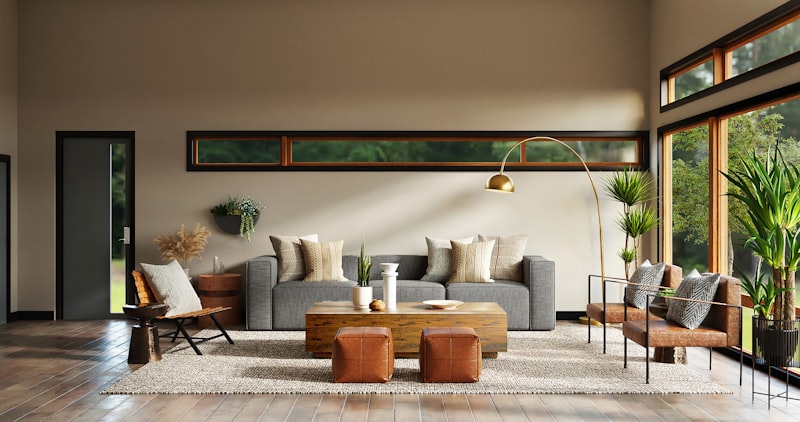
Creating a peaceful sanctuary at home is a goal many of us share, especially in today’s busy, noisy world. Whether it’s bustling city traffic, noisy neighbors, or lively family members, unwanted sound can disrupt your comfort, concentration, and relaxation. Soundproofing your home offers an effective solution to reduce noise, enhance privacy, and improve your overall living experience. At AKT Designs, with over 15 years of expertise in interior design and construction, we understand how thoughtful soundproofing can transform your interiors into tranquil retreats.
Understanding Soundproofing and Its Benefits
Soundproofing involves techniques and materials that block or absorb sound waves, preventing them from traveling between rooms or from outside into your home. Unlike simply adding soft furnishings or rugs that only reduce echo, soundproofing addresses the root cause of noise transmission.
Why Soundproof Your Home?
- Reduce outdoor noise pollution – Traffic, construction, or street activity can be disruptive.
- Enhance privacy – Keep conversations within rooms without worrying about eavesdropping.
- Improve sleep quality – A quieter environment enables deeper, uninterrupted rest.
- Boost concentration – Ideal for home offices, study areas, and creative spaces.
- Increase home value – Soundproofing can be a desirable feature that appeals to future buyers.
Key Areas to Soundproof in Your Home
Walls
Walls are primary pathways for sound transmission between rooms and from outside. To soundproof walls effectively:
- Add mass: Dense materials like gypsum board, mass loaded vinyl (MLV), or extra layers of drywall can block sound.
- Decouple walls: Use resilient channels or sound clips that create a gap between layers, preventing vibrations from passing through.
- Insulate cavities: Fill wall cavities with sound-absorbing insulation such as mineral wool or fiberglass.
- Seal gaps: Use acoustic caulk to seal cracks around outlets, switches, or joints where sound can leak.
Windows
Windows are notorious weak spots in soundproofing. To reduce external noise:
- Install double or triple-glazed windows: Multiple panes with gas-filled spaces between them dampen sound.
- Use heavy curtains or acoustic panels: Thick textiles can absorb some sound waves.
- Seal window frames: Weatherstripping and caulking prevent sound leaks around sashes and frames.
Doors
Doors often allow noise to travel due to gaps and thin construction. Improve door soundproofing by:
- Choosing solid core doors: They block sound better than hollow core alternatives.
- Adding sound seals: Install door sweeps and weatherstripping around the frame.
- Using door soundproofing blankets: Temporary but effective for extra noise reduction.
Floors and Ceilings
Noise can travel vertically through floors and ceilings, especially in multi-story homes:
- Use thick carpets and pads: These absorb impact sounds and footsteps.
- Install acoustic underlayment: Materials like cork, rubber, or specialized mats reduce sound transmission in flooring.
- Add ceiling clouds or acoustic tiles: They improve sound absorption in rooms with high ceilings.
- Create resilient ceiling assemblies: Decoupling the ceiling from the joists helps prevent sound transfer.
Practical Soundproofing Tips You Can Implement Today
If a full renovation isn’t feasible right now, you can still significantly reduce noise with some simple steps:
- Rearrange furniture: Large bookshelves or upholstered sofas placed against shared walls can block sound.
- Hang wall art or fabric panels: These add mass and absorb sound reflections.
- Place rugs and mats: Especially on hard flooring surfaces to reduce footsteps and echoes.
- Use white noise machines or fans: These help mask disruptive background noises.
- Keep doors closed: It sounds obvious, but keeping doors shut reduces sound travel.
Selecting the Right Materials for Effective Soundproofing
The success of soundproofing often depends on the materials used. Some popular options include:
- Mass Loaded Vinyl (MLV): A dense, flexible barrier applied on walls or floors.
- Acoustic Foam Panels: Lightweight, designed to absorb and diffuse sound waves.
- Mineral Wool Insulation: Provides both thermal and sound insulation within walls.
- Soundproof Drywall: Thicker drywall varieties with sound-damping cores.
- Weatherstripping and Acoustic Sealants: To block invisible gaps around windows and doors.
Working with Professionals: Why It Matters
While many DIY solutions can help, professional guidance ensures the best soundproofing results tailored to your space and lifestyle. Firms like AKT Designs offer:
- Comprehensive sound assessments
- Customized interior designs balancing aesthetics with acoustic performance
- Quality installation of soundproofing systems
- Coordination of materials and construction techniques for lasting effectiveness
Conclusion: Create Your Quiet Haven with Thoughtful Soundproofing
Soundproofing your home is more than just reducing noise—it’s about crafting a serene environment where you can rest, work, and enjoy life without disruptions. By addressing walls, windows, doors, and floors with a combination of effective materials and smart design choices, you can dramatically improve your acoustic comfort.
Whether you are designing a new home or retrofitting an existing one, integrating soundproofing solutions brings tremendous value. If you’re ready to take the next step towards a quieter home, consider consulting interior design professionals like AKT Designs, who blend creative vision with technical expertise to make your dream space a reality.
Start your journey to tranquility today—because your home deserves to be a peaceful retreat.
Ready to soundproof your space? Contact AKT Designs for a personalized consultation and discover how expert interior design can enhance both beauty and quiet comfort in your home.
AKT Designs Team
Expert interior designers with 15+ years of experience in creating stunning residential and commercial spaces across India.
Contact us for a consultation