
Creating a peaceful sanctuary at home is essential in today’s noisy world. Whether you’re facing street noise, loud neighbors, or the hustle and bustle of daily life, soundproofing your home can transform your living space into a calm, quiet retreat. With over 15 years of experience in interior design and construction, AKT Designs understands the importance of combining aesthetics with functionality, including effective soundproofing solutions. In this blog post, we’ll explore practical tips, effective materials, and design strategies to help you soundproof your home and enjoy true tranquility.
Why Soundproof Your Home?
Before diving into the how-tos, let’s understand the benefits of soundproofing:
- Improved sleep quality: Noise pollution often disrupts rest, affecting overall health.
- Enhanced privacy: Soundproofing protects private conversations and reduces disturbances.
- Better focus and productivity: A quiet environment promotes concentration, especially for remote work or study.
- Increased home value: Soundproofed homes appeal to buyers seeking comfort and peace.
Understanding Noise and Soundproofing Basics
Sound travels in two main ways: airborne noise and impact noise.
- Airborne noise: Sound transmitted through the air, like voices, music, or traffic sounds.
- Impact noise: Vibrations caused by footsteps, door slams, or objects dropping.
Effective soundproofing addresses both kinds of noise by adding mass, reducing vibration, and sealing air gaps.
Practical Ways to Soundproof Your Home
1. Seal Gaps and Cracks
Noise can sneak through even the smallest openings. Start with thorough sealing:
- Use weatherstripping around doors and windows.
- Apply acoustical caulk to cracks in walls, baseboards, and window frames.
- Install door sweeps to block sound from underneath doors.
2. Upgrade Doors and Windows
Doors and windows are common weak points for sound transmission:
- Opt for solid-core or soundproof doors instead of hollow ones.
- Install double or triple-glazed windows designed for noise reduction.
- Add heavy, floor-to-ceiling curtains made from dense fabrics like velvet to absorb sound.
3. Add Mass to Walls
Mass blocks sound waves effectively. To increase wall mass:
- Consider adding an extra layer of drywall with a damping compound like Green Glue between layers.
- Use soundproofing panels or mass-loaded vinyl (MLV) on existing walls.
- Build staggered or double stud walls during renovations to minimize vibration transfer.
4. Treat Floors and Ceilings
Impact noises can be minimized by:
- Installing thick carpets or rugs with dense padding underneath.
- Using cork or rubber underlayment beneath flooring materials.
- Adding acoustic ceiling panels or drop ceilings with sound-absorbing tiles.
5. Incorporate Sound-Absorbing Materials
Soft, porous materials absorb sound rather than reflect it:
- Use upholstered furniture and cushions to break up sound waves.
- Hang fabric wall hangings or tapestries.
- Place bookcases filled with books against shared walls for an insulating effect.
Tips for Soundproofing Specific Rooms
Home Office or Study
- Position your desk away from noisy walls.
- Use movable acoustic partitions for flexibility.
- Invest in noise-canceling headphones as a supplementary tool.
Bedroom
- Apply blackout curtains that also provide sound dampening.
- Use white noise machines to mask residual outside sounds.
- Place rugs or carpets under the bed area for softer footsteps.
Living Room
- Use thick drapes and layered window treatments.
- Arrange furniture to act as sound absorbers near noise sources.
- Consider built-in cabinetry or bookcases on walls adjoining noisy neighbors.
DIY vs. Professional Soundproofing Solutions
While many soundproofing steps can be done yourself, some situations require expert intervention:
- Structural modifications like building double walls or installing soundproof windows.
- Major renovations integrating soundproofing materials during construction.
- Assessing acoustic measurements and customizing treatments based on noise sources.
With AKT Designs, you gain access to seasoned professionals who can tailor soundproofing techniques to your home’s unique needs without compromising style and design.
Visualizing Soundproofing in Your Home
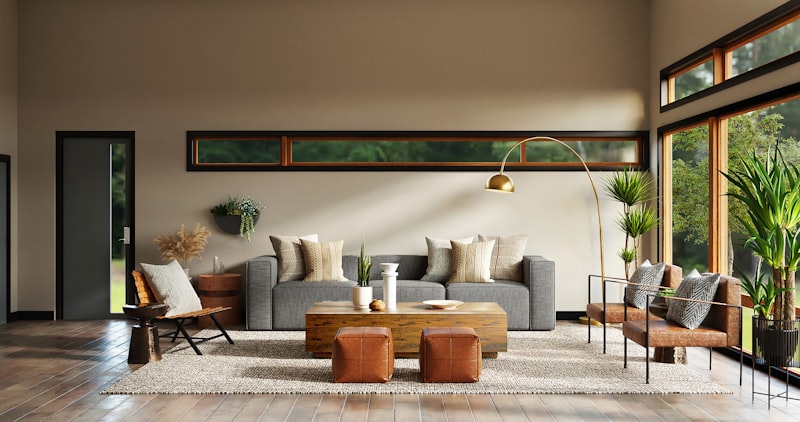
Imagine entering your home after a busy day. The usual street noise fades, replaced by serene silence. Thick curtains frame the windows, your plush carpets cushion footsteps, and soft fabric wall hangings add warmth while taming sound. These layers work together to create a sanctuary that feels both cozy and calm—a space where noise isn’t just minimized but thoughtfully managed.
Conclusion
Soundproofing your home is an investment in comfort, privacy, and well-being. By addressing noise through strategic sealing, material choices, and thoughtful design, you can enjoy a quieter, more peaceful living environment. Whether you’re embarking on small DIY improvements or large-scale renovations, incorporating these soundproofing tips will make a significant difference.
If you’re considering a comprehensive soundproofing project or want expert guidance tailored to your home, AKT Designs is here to assist. Our 15+ years of experience ensure that your space will not only sound better but also look stunningly beautiful.
Ready to create the serene home you deserve? Contact us today and let’s bring your vision of quiet luxury to life.
AKT Designs Team
Expert interior designers with 15+ years of experience in creating stunning residential and commercial spaces across India.
Contact us for a consultation