
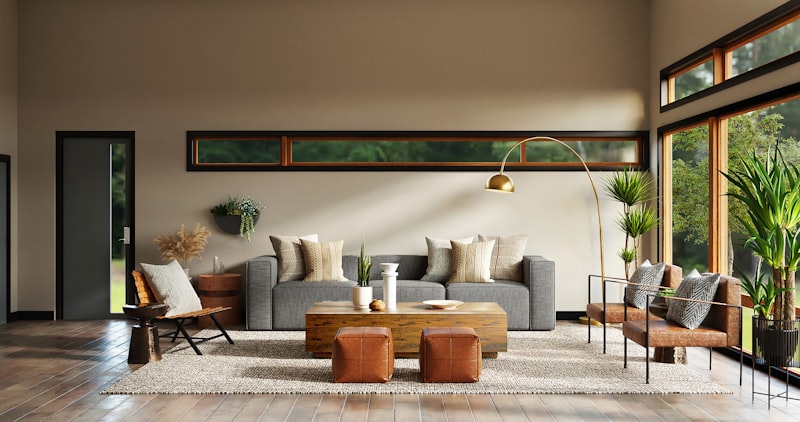
Creating a peaceful sanctuary at home is essential in today’s fast-paced world where noise pollution can intrude into our personal spaces. Whether you live in a bustling city or a noisy neighborhood, soundproofing your home can significantly enhance your comfort, reduce stress, and improve your quality of life. In this blog post, we’ll explore practical tips, effective materials, and design strategies to help you soundproof your home with confidence.
Understanding Soundproofing: What It Is and Why It Matters
Soundproofing involves reducing or blocking sound from entering or leaving a particular space. Unlike simple noise reduction methods, soundproofing is about creating barriers that prevent sound waves from traveling through walls, floors, ceilings, and doors.
Why Soundproof Your Home?
- Improve sleep quality by minimizing external noises
- Create a quieter workspace for remote work or study
- Enhance home theater or music room experience
- Maintain privacy and reduce distractions
- Increase overall comfort and tranquility in living spaces
Key Areas to Address for Effective Soundproofing
Before diving into materials and techniques, it’s crucial to identify the main sources of noise in your home. Common entry points include windows, doors, walls, floors, and ceilings.
Windows
Windows are often the most significant weak points for sound intrusion because glass is thin and transmits sound easily.
Doors
Hollow-core doors allow sound to pass freely and are a common source of noise leakage.
Walls, Floors, and Ceilings
Sound can travel through shared walls in apartments or multi-story homes, causing disturbances.
Practical Soundproofing Tips and Techniques
1. Seal Gaps and Cracks
Sound travels through the smallest openings, so sealing gaps around windows, doors, and baseboards is a simple yet effective step.
- Use weatherstripping to seal door and window edges
- Apply acoustic caulk to fill cracks and gaps in walls and trim
- Install door sweeps to block sound underneath doors
2. Upgrade Doors and Windows
Replacing or enhancing these can dramatically reduce noise penetration.
- Swap hollow-core doors with solid-core doors for better sound blocking
- Install double-glazed or laminated glass windows to reduce external noise
- Add heavy curtains or soundproof blankets over windows
3. Add Mass to Walls and Ceilings
Increasing the density of walls helps block sound from passing through.
- Install additional layers of drywall using soundproofing adhesive (like Green Glue)
- Use mass loaded vinyl (MLV) sheets behind drywall for enhanced sound blocking
- Consider resilient channels to decouple drywall and reduce vibration transmission
4. Improve Flooring for Sound Absorption
Reducing noise from footsteps and vibrations can be achieved with proper flooring choices.
- Install thick carpets or rugs with sound-absorbing underlays
- Use cork or rubber flooring materials to dampen impact noise
- Consider adding acoustic mats beneath hardwood or laminate floors
5. Employ Sound-Absorbing Materials Inside Rooms
While blocking sound is one part, absorbing sound inside rooms helps reduce echo and reverberation.
- Hang fabric wall panels or acoustic foam tiles strategically
- Use upholstered furniture and heavy drapes to soften sound reflections
- Add bookshelves and soft textiles to interiors for natural sound absorption
Advanced Soundproofing Solutions
For those seeking maximum soundproofing, especially in media rooms, studios, or apartments, professional-grade solutions offer deeper noise control.
Decoupling Construction
Creating a separation between walls and ceilings to prevent vibration transmission using resilient channels or sound isolation clips.
Soundproof Windows and Doors
Specialized soundproof windows and doors with multiple layers and airtight seals offer superior noise reduction.
Acoustic Panels and Bass Traps
Designed to manage different sound frequencies, these are ideal for home theaters and music rooms.
Incorporating Soundproofing into Interior Design
Soundproofing doesn’t have to compromise aesthetics. With thoughtful design choices, you can create spaces that are both beautiful and quiet.
- Choose textured wall coverings and layered curtains to serve dual functional and decorative purposes
- Use furniture placement strategically to absorb sound, such as positioning bookshelves against shared walls
- Integrate custom-built cabinetry with soundproofing materials inside
Why Trust Expert Guidance?
Soundproofing can involve many variables — from understanding sound transmission principles to selecting the right materials and installation methods. Working with experienced interior design and construction professionals like AKT Designs can ensure your soundproofing project delivers lasting, effective results tailored to your home’s unique needs.
Conclusion: Embrace Quiet Comfort at Home
Soundproofing your home transforms your living environment into a sanctuary where you can relax, focus, and enjoy privacy free from unwanted noise distractions. By sealing gaps, upgrading doors and windows, adding mass to walls, and thoughtfully integrating sound-absorbing materials, you can dramatically improve your home’s quietness and comfort.
Ready to experience the difference soundproofing can make? Whether you’re tackling a simple DIY project or a full-scale renovation, let the expertise of AKT Designs guide you toward a more peaceful, harmonious home.
Take the First Step Today: Evaluate the noise sources in your home and consider where soundproofing can have the greatest impact. For tailored solutions and professional support, contact AKT Designs and create a quieter living space you deserve.
AKT Designs Team
Expert interior designers with 15+ years of experience in creating stunning residential and commercial spaces across India.
Contact us for a consultation