
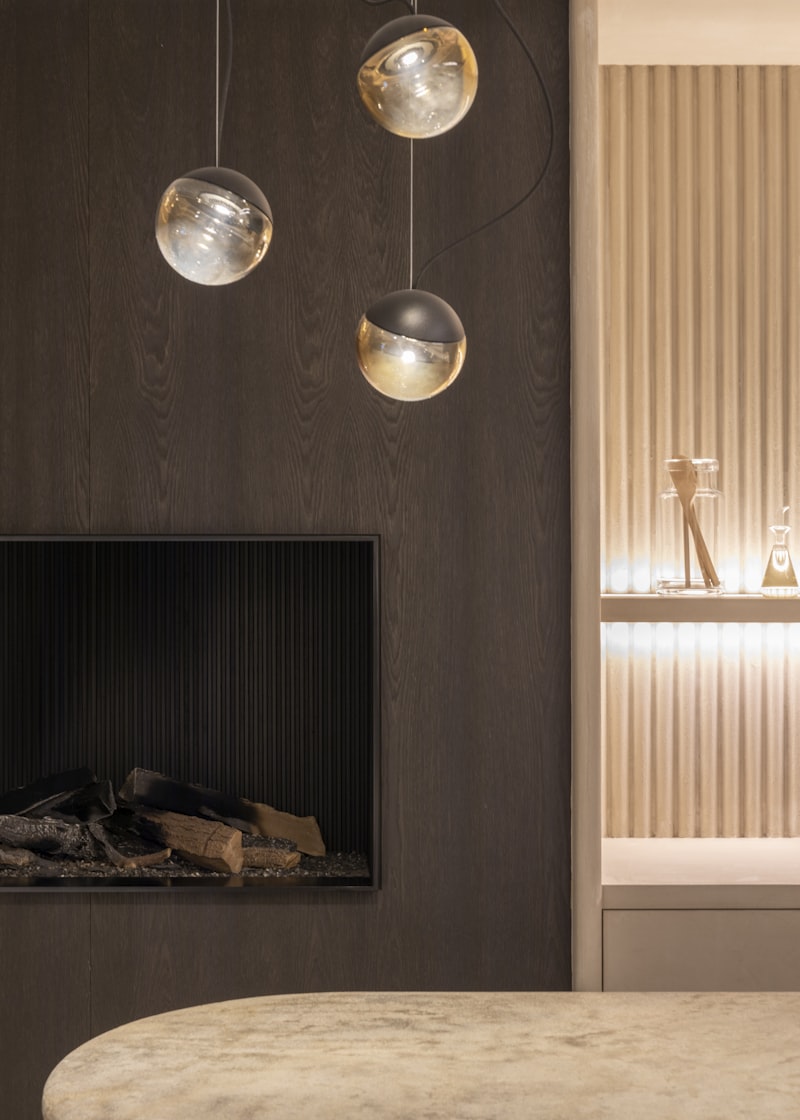
Lighting is one of the most transformative elements in interior design, capable of changing the mood, functionality, and style of any room. Proper lighting design enhances the atmosphere, highlights architectural features, and even improves daily routines. Whether you’re refreshing a single room or planning the lighting for your entire home, understanding the unique needs of each space is essential. Drawing from over 15 years of experience at AKT Designs Pvt Ltd, we’ve compiled expert lighting design tips tailored for every room to help you illuminate your home beautifully and effectively.
Understanding Lighting Basics
Before diving into room-specific tips, it’s crucial to understand the three main types of lighting that work together to create balanced illumination:
- Ambient Lighting: The general, overall light that fills a room.
- Task Lighting: Focused lighting for specific activities like reading, cooking, or working.
- Accent Lighting: Decorative lighting that highlights art, architectural features, or adds mood.
Creating layers of lighting by combining these types allows flexibility and depth in your design.
Lighting Tips for the Living Room
The living room is often the most versatile space in the home — a place for relaxing, entertaining, and sometimes working, so lighting needs to be adaptable.
Create a Welcoming Ambiance
- Use dimmable ceiling lights or recessed lights as your ambient source to control brightness based on mood and time of day.
- Incorporate floor lamps or table lamps for cozy task lighting, especially near reading chairs or sofas.
- Accent lighting with wall sconces or LED strips behind shelving can highlight décor and add warmth.
Highlight Architectural Features and Art
- Use adjustable spotlights or track lighting to focus on artwork or textured walls.
- Consider indirect lighting, such as coves or uplights, to emphasize ceiling details or fireplace mantels.
Kitchen Lighting Tips
Kitchen lighting must balance functionality with style since this is a highly task-driven space.
Layered Lighting Is Key
- Install bright overhead LED fixtures or flush mounts for ambient light.
- Under-cabinet lights are essential for illuminating countertop workspaces safely and clearly.
- Pendant lights over kitchen islands add both task lighting and a decorative touch.
Choose Practical Fixtures
- Opt for fixtures that provide shadow-free lighting to avoid eyestrain.
- Use bulbs with a high Color Rendering Index (CRI) to make food preparation easier and more appealing.
Bedroom Lighting Tips
Bedrooms are intimate spaces meant for rest but often double as dressing and reading areas.
Promote Relaxation Through Lighting
- Use soft, warm light sources to create a calming atmosphere.
- Install bedside lamps or sconces with adjustable brightness for reading.
- Consider smart lighting systems that mimic natural daylight to help regulate sleep cycles.
Functional and Flexible Lighting
- Ceiling fixtures should provide enough light for dressing and cleaning but not be overpowering.
- Accent lighting can add charm — think of string lights or small spotlights highlighting artwork or a feature wall.
Bathroom Lighting Tips
Bathrooms need precise, moisture-resistant lighting to combine functionality with aesthetic appeal.
Focus on Vanity Lighting
- Use wall-mounted fixtures or sconces on either side of the mirror to eliminate shadows on the face.
- Avoid overhead lights directly above the mirror, as they can cast unflattering shadows.
General and Accent Lighting
- Install recessed ceiling lights for overall illumination.
- Consider LED strip lighting under vanity cabinets for soft night lighting.
Home Office Lighting Tips
Well-planned lighting in a home office boosts productivity while reducing eye fatigue.
Optimize Task Lighting
- Position a desk lamp with adjustable brightness and direction for focused work.
- Ensure ambient lighting is bright enough to avoid harsh contrasts but not overly glaring.
Minimize Glare and Shadows
- Place light sources behind or beside your workstation rather than directly in front.
- Use blinds or curtains to control natural light and reduce screen glare.
Dining Room Lighting Tips
The dining room deserves lighting that enhances the food and ambiance for gatherings.
Use a Statement Fixture
- A chandelier or pendant light above the dining table serves as a focal point.
- Install a dimmer to adjust brightness—bright for meals and softer for intimate dinners.
Balanced Ambient and Accent Lighting
- Recessed or wall sconces supplement the main fixture for consistent lighting.
- Candlelight or LED candles can add warmth and elegance.
Tips for All Rooms: Practical Lighting Advice
Regardless of the room, these universal tips will elevate your lighting scheme:
- Choose the right bulb color temperature: Warm white (2700K-3000K) creates cozy spaces; cool white (3500K-4100K) is better for task-heavy rooms.
- Use dimmers to provide flexibility and energy savings.
- Incorporate smart lighting controls for convenience and customization.
- Mix light sources at different heights for depth and interest.
- Consider the room’s size and ceiling height when choosing fixture scale and light output.
- Plan wiring and fixture placement early in any construction or renovation project.
Conclusion
Effective lighting design is an art and a science that can dramatically improve the comfort, style, and functionality of every room in your home. By layering ambient, task, and accent lighting tailored to each space’s unique needs, you create environments that feel both beautiful and purposeful. Whether you’re updating your home lighting yourself or working with professionals like AKT Designs, thoughtful lighting choices will elevate your interiors and enrich your everyday living.
Ready to transform your home with expert lighting design? Contact AKT Designs Pvt Ltd today for personalized advice and innovative solutions that brighten your spaces and inspire your lifestyle.
AKT Designs Team
Expert interior designers with 15+ years of experience in creating stunning residential and commercial spaces across India.
Contact us for a consultation