
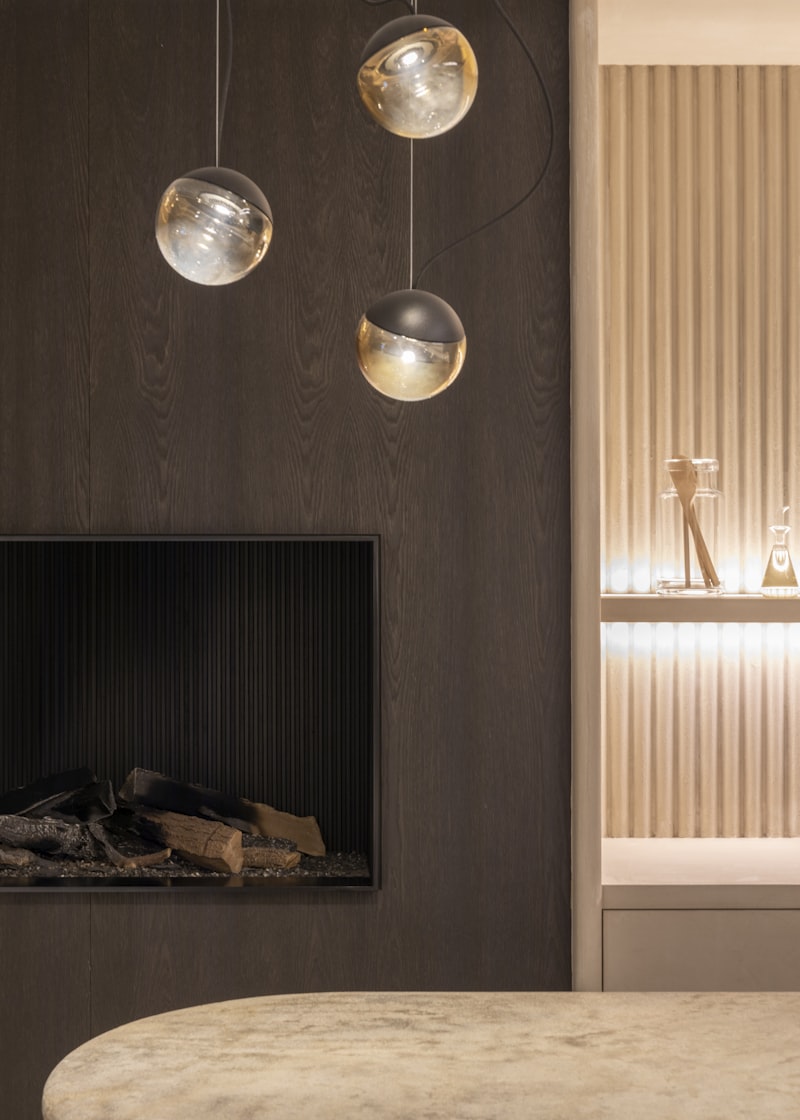
Lighting plays a pivotal role in shaping the atmosphere, functionality, and aesthetic appeal of any space. Whether you're refreshing your home or designing a new one, understanding how to properly light each room can transform the way you live and feel in your environment. At AKT Designs Pvt Ltd, with over 15 years of crafting exquisite interiors, we have seen firsthand how thoughtful lighting design can elevate a space from ordinary to extraordinary. In this post, we’ll guide you through essential lighting design tips for every room, ensuring that your home is both beautiful and practical.
Understanding the Basics of Lighting Design
Before diving into room-specific ideas, it’s helpful to grasp the three fundamental types of lighting that work together in every space:
- Ambient Lighting: The primary source of light that illuminates the entire room. Examples include ceiling-mounted fixtures, recessed lights, or large windows.
- Task Lighting: Focused lighting that helps you perform specific activities, like reading or cooking. Desk lamps, under-cabinet lights, and pendant lights often serve this purpose.
- Accent Lighting: Used to highlight architectural features, artwork, or decorative elements, adding depth and drama. Spotlights, track lighting, and wall sconces are common accent options.
The key to an effective lighting design is layering these types according to the room’s function and mood.
Living Room Lighting Tips
The living room is often the heart of a home, combining relaxation with social interaction. Here’s how to light it for maximum comfort and style:
Layer Your Lighting
- Use a central chandelier or ceiling fixture for ambient lighting.
- Add floor lamps or table lamps near seating areas for cozy task lighting.
- Incorporate accent lighting such as wall sconces or picture lights to showcase art or architectural details.
Create Zones with Lighting
- Define reading nooks or conversation corners with adjustable lamps.
- Employ dimmer switches so you can adjust brightness based on the mood or time of day.
Choose Warm, Inviting Light
- Aim for bulbs with a color temperature around 2700K to 3000K to create a warm, welcoming glow that encourages relaxation.
Kitchen Lighting Tips
Kitchens demand a lot of functional lighting due to various tasks like chopping, cooking, and cleaning.
Prioritize Task Lighting
- Install under-cabinet LED strips to illuminate work surfaces directly.
- Use pendant lights above kitchen islands or breakfast bars for focused light and visual interest.
Ensure Sufficient Ambient Light
- Recessed ceiling lights or flush-mount fixtures provide consistent overall lighting.
- Avoid shadows by placing fixtures strategically—especially over countertops.
Consider Color Rendering
- Choose bulbs with a high Color Rendering Index (CRI) of 90+ to make food colors appear vibrant and true-to-life.
Bedroom Lighting Tips
The bedroom is a sanctuary, so lighting should boost tranquility while accommodating different activities like reading or dressing.
Incorporate Soft Ambient Lighting
- Opt for ceiling fixtures with diffusers that spread light gently across the room.
- Use warm color temperature bulbs (2700K) to promote relaxation.
Task Lighting for Bedside Use
- Install adjustable reading lamps or wall-mounted sconces near the bed.
- Consider smart lighting systems for adjustable brightness and color settings depending on time of day.
Add Accent Lighting
- Soft LED strips under the bed frame or behind headboards can add subtle ambiance without disturbance.
Bathroom Lighting Tips
Good lighting in the bathroom enhances both aesthetics and safety.
Layer Ambient and Task Lighting
- Use overhead LED fixtures for general illumination.
- Place vanity lights or sconces on either side of the mirror at face level to eliminate unflattering shadows.
Opt for Moisture-Resistant Fixtures
- Choose lighting fixtures rated for damp locations to ensure longevity and safety.
Choose Bright, True-to-Color Lighting
- Aim for bulbs with 4000K temperature for clarity without harshness.
- Select high CRI bulbs (90+) for accurate makeup application and grooming.
Home Office Lighting Tips
Since the home office is a space for productivity, lighting should minimize eye strain and boost focus.
Maximize Natural Light
- Position your desk near windows when possible.
- Use translucent blinds to diffuse direct sunlight and reduce glare.
Invest in Quality Task Lighting
- A bright, adjustable desk lamp with focused light is essential.
- Avoid harsh overhead lighting that creates reflections on screens.
Use Neutral Color Temperatures
- Bulbs with 3500K to 4500K color temperature promote alertness without feeling sterile.
Dining Room Lighting Tips
Lighting in the dining room should set the mood for meals, be it casual breakfasts or formal dinners.
Feature a Statement Light Fixture
- A chandelier or pendant light centered above the dining table creates a focal point.
- Hang it low enough to form intimacy but high enough to avoid obstructing sightlines (generally 30-36 inches above the table surface).
Use Adjustable Dimmers
- Dimming allows you to alter brightness depending on the occasion, from bright and lively to soft and romantic.
Accent the Space Gently
- Wall sconces or recessed downlights can add warmth and prevent the room from feeling flat.
Practical Tips for Every Room
No matter the room, keep these general lighting principles in mind:
- Balance light levels: Avoid overly bright spots or dark corners by layering light sources.
- Mind the scale: Fixtures should be proportionate to the room size and ceiling height.
- Consider energy efficiency: Choose LED bulbs for longevity and reduced electricity bills.
- Control glare: Position lights to minimize reflections and harsh shadows.
- Experiment with colors and materials: Light interacts beautifully with different surfaces—from glossy tiles to textured wallpapers—so play with finishes to achieve your desired ambiance.
Conclusion
Effective lighting design is about harmonizing practicality with style to enhance each room’s purpose and mood. By layering ambient, task, and accent lighting thoughtfully, you can create inviting and functional spaces throughout your home. Whether illuminating a cozy living room, a bustling kitchen, or a restful bedroom, these lighting tips offer a reliable foundation to get started.
At AKT Designs Pvt Ltd, we believe that great interiors are built from the ground up—including the light that unveils their beauty. Consider consulting with design professionals who can tailor lighting solutions to your unique space and lifestyle.
Ready to transform your home with well-crafted lighting design? Contact AKT Designs to explore personalized solutions that will brighten your world beautifully.
AKT Designs Team
Expert interior designers with 15+ years of experience in creating stunning residential and commercial spaces across India.
Contact us for a consultation