
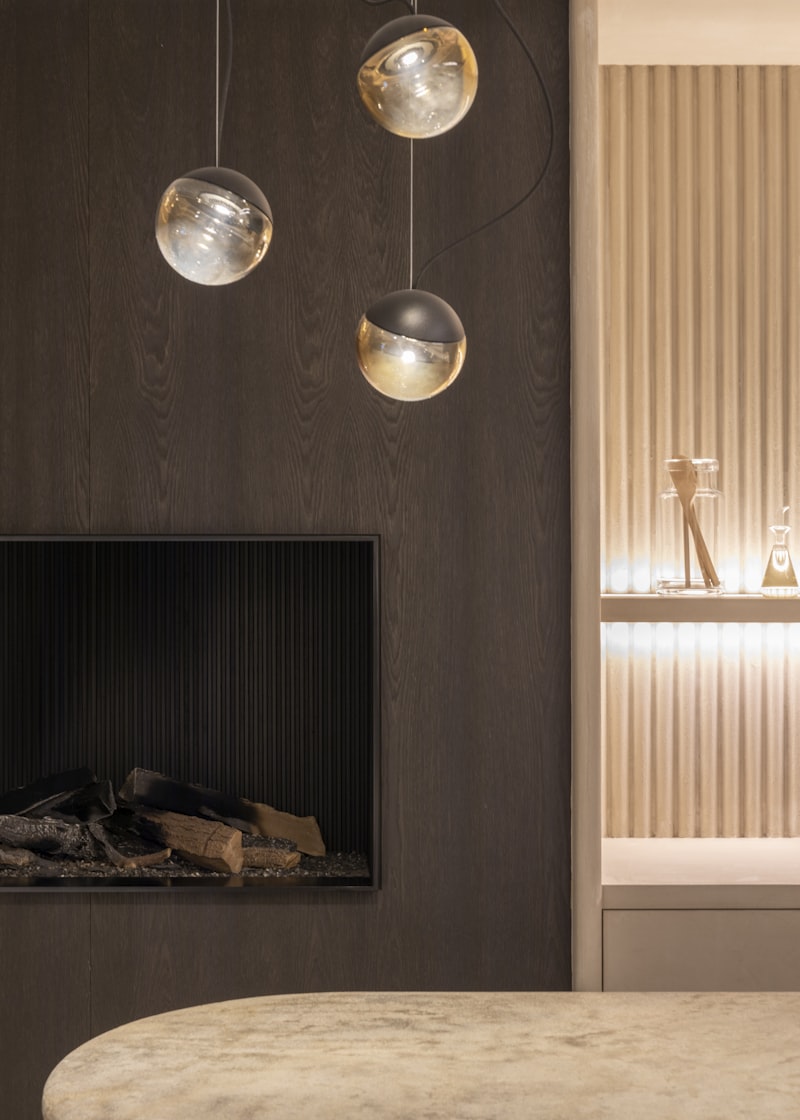
Lighting plays a pivotal role in interior design, influencing not just the aesthetics but also the functionality and mood of every room. The right lighting can transform a dull space into a vibrant haven, highlight architectural features, and create ambiance tailored to your lifestyle. With over 15 years of experience in interior design, AKT Designs understands the importance of strategic lighting and wants to share expert tips to help you illuminate every room in your home beautifully and efficiently.
Understanding the Basics of Lighting Design
Before diving into room-specific tips, it’s essential to understand the three fundamental types of lighting that work together to create a well-balanced space:
- Ambient Lighting: The overall illumination that provides general visibility.
- Task Lighting: Focused lighting designed for specific activities such as reading or cooking.
- Accent Lighting: Used to highlight art, architectural details, or create mood.
By layering these lighting types thoughtfully, you can achieve depth and versatility in each room.
Living Room: Balance Comfort and Style
The living room is often the heart of a home, serving multiple functions like entertaining guests, relaxing, or watching TV. Your lighting design should be flexible and inviting.
Tips for Living Room Lighting
- Use dimmable ambient lights: Install ceiling fixtures or recessed lights with dimmers to adjust brightness depending on the occasion.
- Incorporate layered light sources: Combine floor lamps, table lamps, and wall sconces to create warm pools of light and reduce glare.
- Accentuate architectural features: Use spotlights or track lighting to highlight fireplaces, artwork, or built-in shelves.
- Consider smart lighting controls: Automated systems let you easily change the mood from bright and lively to cozy and intimate.
Kitchen: Bright and Functional Illumination
Kitchens require bright, clear lighting that supports detailed tasks like chopping and cooking while making the space welcoming and stylish.
Tips for Kitchen Lighting
- Opt for under-cabinet lighting: This eliminates shadows on countertops and enhances visibility for food preparation.
- Choose cool white LED bulbs: They provide bright, clean light that closely mimics daylight.
- Use pendant lights over islands: Pendants add a decorative touch while focusing light over work surfaces.
- Ensure adequate general lighting: Recessed ceiling lights evenly distribute ambient light, reducing eye strain and enhancing safety.
Bedroom: Creating a Relaxing Retreat
Bedrooms should feel calm and serene, with lighting that supports relaxation and a good night’s sleep. Avoid overly bright or harsh lighting in favor of softness and warmth.
Tips for Bedroom Lighting
- Incorporate layered lighting: Use bedside table lamps for reading, soft overhead ambient light, and subtle accent lighting to add depth.
- Select warm-toned bulbs: Light in the 2700K range promotes a cozy atmosphere while supporting circadian rhythms.
- Add dimmers and adjustable fixtures: These give you control over the intensity and direction of the light.
- Consider decorative fixtures: Chandeliers or pendant lights can add elegance without overwhelming the calm vibe.
Bathroom: Clear and Soothing Lighting
Bathrooms need lighting that supports grooming and hygiene but also promotes a spa-like relaxing ambiance.
Tips for Bathroom Lighting
- Install vanity lights around the mirror: Avoid shadows by placing fixtures on either side of the mirror or a backlit mirror.
- Choose moisture-resistant fixtures: Ensure durability by selecting lighting rated for damp environments.
- Add recessed ceiling lights: These provide even ambient illumination for the entire space.
- Use adjustable lighting for the shower area: Waterproof LED spotlights can enhance safety and atmosphere.
Home Office: Focused and Motivating Light
A well-lit home office is crucial for productivity and reducing eye strain during long hours of work.
Tips for Home Office Lighting
- Use bright task lighting: A desk lamp with adjustable brightness and direction helps focus light where needed.
- Maximize natural light: Position your desk near windows to take advantage of daylight while controlling glare with blinds or curtains.
- Include comfortable ambient lighting: Overhead lighting should be bright but not harsh to maintain alertness without fatigue.
- Minimize glare on screens: Avoid placing lights directly behind your seating to prevent reflections on monitors.
Hallways and Entryways: Welcoming and Safe
Though often overlooked, lighting in transitional spaces like hallways and foyers sets the tone and improves safety.
Tips for Hallway and Entryway Lighting
- Install wall sconces or recessed lights: These create a welcoming ambiance without overpowering the space.
- Use motion sensors: Automated lighting improves convenience and security.
- Highlight architectural details: Consider uplighting or downlighting to showcase moldings or artwork.
- Keep it bright but soft: Avoid harsh overhead lights that feel institutional.
Final Thoughts: Bring Your Vision to Light
Effective lighting design blends art and science, enhancing the beauty, comfort, and function of every room in your home. By understanding each space’s unique needs and layering ambient, task, and accent lighting appropriately, you can create a home that’s as inviting as it is practical.
At AKT Designs, we believe that thoughtfully designed lighting elevates interiors and enriches lives. Whether renovating one room or an entire home, incorporating these lighting design tips will illuminate your spaces with confidence and style.
Ready to brighten your home with expert lighting design? Contact AKT Designs today to explore tailored solutions that bring warmth, clarity, and elegance to your interiors.
AKT Designs Team
Expert interior designers with 15+ years of experience in creating stunning residential and commercial spaces across India.
Contact us for a consultation