
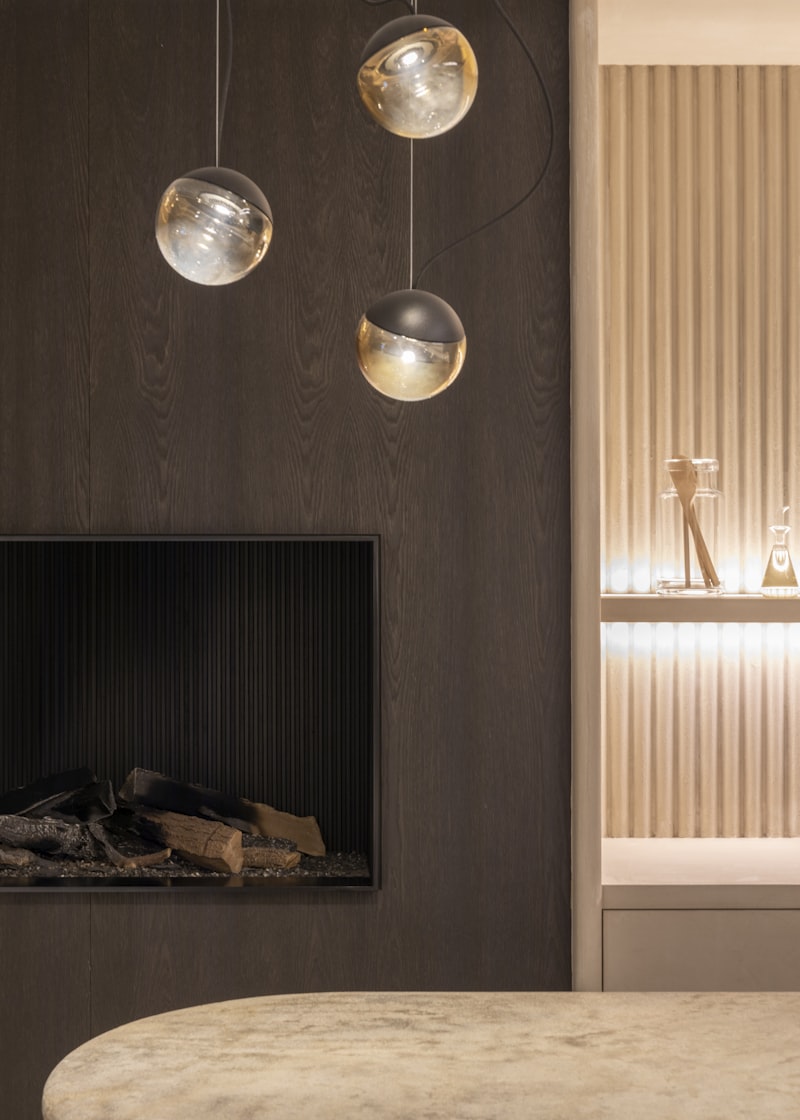
Creating the perfect ambiance and functionality in your home hinges on one often underestimated element: lighting. Thoughtful lighting design transforms spaces, enhancing aesthetics while improving comfort and usability. Whether you’re renovating a single room or designing a whole house, understanding how to layer and balance lighting can elevate your interior to new heights. At AKT Designs, with over 15 years of expertise in interior design and construction, we’ve seen how tailored lighting schemes breathe life into every corner of a home. In this post, we’ll explore practical lighting design tips for every room, helping you craft well-lit, inviting, and stylish living spaces.
Understanding the Basics of Lighting Design
Before diving into room-specific recommendations, it’s essential to grasp the three fundamental types of lighting that work together to create a cohesive environment:
- Ambient Lighting: The primary source of light that provides overall illumination.
- Task Lighting: Focused lighting to make specific activities easier, such as reading or cooking.
- Accent Lighting: Decorative lighting to highlight architectural features or artwork and add depth.
Balancing these layers in each room ensures functionality while enhancing mood and style.
Lighting Design Tips for Every Room
Living Room: Create a Warm and Inviting Atmosphere
The living room is often the heart of the home, used for entertaining and relaxation. Your lighting should be flexible to accommodate different moods and activities.
- Layer your lighting: Combine recessed ceiling lights for ambient illumination with floor lamps or table lamps for softer task lighting.
- Incorporate dimmers: Installing dimmer switches allows you to adjust light intensity, creating cozy settings for movie nights or brighter options for gatherings.
- Highlight focal points: Use accent lighting to draw attention to artwork, bookshelves, or architectural details like a fireplace.
- Choose warm color temperatures: Opt for bulbs around 2700K to 3000K to foster a comfortable, inviting glow.
Kitchen: Prioritize Functionality and Clarity
The kitchen demands bright, clear lighting to support food prep, cooking, and cleaning safely and efficiently.
- Bright overhead lighting: Use a combination of ceiling-mounted fixtures or recessed downlights for even ambient light.
- Task-focused illumination: Under-cabinet LED strips or pendant lights over islands and counters improve visibility during cooking and meal prep.
- Avoid shadows: Position task lights carefully to minimize shadows on work surfaces.
- Consider adjustable options: Track lighting or adjustable pendants can direct light exactly where needed.
Bedroom: Promote Relaxation and Restful Vibes
Your bedroom lighting should foster calm and tranquility to support rest, while also addressing practical needs like reading or dressing.
- Soft, diffused ambient lighting: Use ceiling fixtures with frosted covers or fabric shades to create gentle, even light.
- Layer with bedside lamps: Adjustable bedside lamps or sconces provide focused light for reading without disturbing a partner.
- Add accent lighting: Consider LED strip lighting behind the headboard or under furniture to add warmth and visual interest.
- Install dimmers: Control brightness levels to easily transition between waking and winding down.
Bathroom: Blend Brightness with Soothing Elements
Bathrooms require clear, shadow-free lighting for grooming while also offering a spa-like atmosphere.
- Bright task lighting around the mirror: Use vertical sconces or LED panels on either side of the vanity mirror to eliminate shadows.
- General overhead lighting: Recessed lights or flush mounts ensure overall illumination.
- Mood-enhancing accent lights: Adding dimmable recessed lights or under-cabinet lighting helps create a relaxing ambiance.
- Choose moisture-resistant fixtures: Ensure your lighting choices are rated for damp or wet locations to maintain safety and longevity.
Dining Room: Set the Perfect Mood for Meals
Dining rooms benefit from lighting that complements the atmosphere, enhancing both social interaction and décor.
- Statement pendant or chandelier: Center a decorative fixture above the dining table as a focal point.
- Dimmer controls: Adjust light levels according to the occasion — bright for dinner parties, soft for intimate meals.
- Accent lighting: Wall sconces or cove lighting can add subtle warmth and depth.
- Coordinate with décor: Choose lighting styles and finishes that harmonize with furniture and accessories.
Home Office: Optimize Productivity and Comfort
A well-lit office reduces eye strain and boosts efficiency without sacrificing comfort.
- Bright, adjustable desk lighting: Use task lamps with adjustable arms and brightness to focus light precisely where needed.
- Balanced ambient lighting: Avoid relying solely on overhead fluorescents; incorporate floor lamps or recessed lights to reduce glare and shadows.
- Natural light integration: Position your workspace to maximize daylight and use sheer curtains to diffuse harsh sunlight.
- Consider color temperature: Cooler white light (around 4000K to 5000K) helps maintain alertness during work hours.
Hallways and Entryways: Welcome with Style and Safety
Though often overlooked, lighting these spaces effectively enhances navigation and invites guests in warmly.
- Bright yet subtle ambient lights: Use wall sconces, recessed lights, or flush mounts to maintain sufficient illumination.
- Accent lighting for decor: Picture lights or small spotlights can highlight artwork or architectural details.
- Motion sensors: Automated lighting in hallways can add convenience and conserve energy.
- Consistent style: Match fixture styles with adjoining rooms for seamless transitions.
Practical Tips for Successful Lighting Design
- Plan early: Incorporate lighting design into your overall renovation or construction plan for optimal fixture placement and wiring.
- Use layered lighting: Combining ambient, task, and accent lighting creates versatile, dynamic spaces.
- Choose energy-efficient bulbs: LED lighting saves energy, lasts longer, and offers a broad range of color temperatures.
- Mind the scale: Select fixtures proportional to room size and ceiling height.
- Test before committing: Trial different bulbs or temporary fixtures to see how light interacts with your space and finishes.
Conclusion
Thoughtful lighting design is a powerful tool to enhance every room’s functionality and ambiance. By understanding the unique needs of each space and layering light sources strategically, you can achieve a beautiful, comfortable, and inviting home environment. Whether you are updating a single room or planning a comprehensive redesign, integrating practical lighting tips will make a lasting difference.
If you’re considering a fresh lighting plan or an entire interior makeover, AKT Designs brings over 15 years of expertise to guide you with creative solutions tailored to your lifestyle. Illuminate your home with intention and style—start your lighting transformation today!
Ready to brighten up your home? Contact AKT Designs to explore personalized lighting and interior design services that bring your vision to life.
AKT Designs Team
Expert interior designers with 15+ years of experience in creating stunning residential and commercial spaces across India.
Contact us for a consultation