
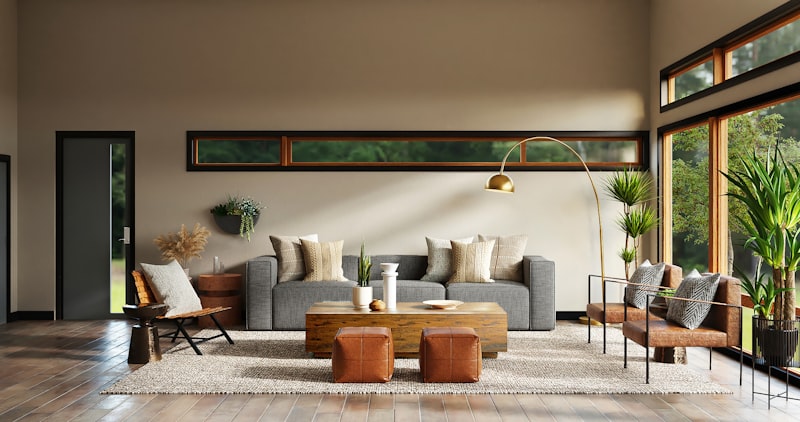
Creating a peaceful and quiet home environment is essential for relaxation, concentration, and overall well-being. However, unwanted noise from traffic, neighbors, or household activities often disrupts tranquility. Soundproofing your home effectively minimizes these disturbances, allowing you to enjoy a sanctuary of calm. Whether you’re dealing with loud city streets or a noisy household, soundproofing solutions can transform your living space into a haven of silence.
At AKT Designs, we understand the importance of combining aesthetic appeal with functional design. Here’s our comprehensive guide to soundproofing your home with practical tips and techniques that seamlessly integrate into your interior design.
Understanding Soundproofing: What Does It Mean?
Soundproofing involves reducing unwanted noise by blocking or absorbing sound waves. This can be achieved through structural changes, specialized materials, and smart design choices. Before diving into soundproofing methods, it helps to understand the two key concepts:
- Sound Transmission: The passage of sound through walls, floors, ceilings, windows, and doors.
- Sound Absorption: The process of reducing echo and reverberation inside a room by absorbing sound waves.
Effective soundproofing addresses both transmission and absorption for the best results.
Assessing Your Home’s Noise Issues
Before making any changes, identify the sources and types of noise that affect your space:
- Exterior noise (traffic, construction, neighbors)
- Interior noise (appliances, footsteps, voices)
- Structural weak points (thin walls, poorly sealed windows or doors)
Consider performing a noise audit by spending time in each room and noting which areas are most affected. This helps focus your soundproofing efforts strategically.
Practical Soundproofing Techniques
1. Seal Gaps and Cracks
Gaps around doors, windows, baseboards, and electrical outlets let sound infiltrate easily. Addressing these small openings can dramatically reduce noise penetration.
- Use weatherstripping for door and window frames
- Apply acoustical caulk or sealant on cracks and joints
- Install door sweeps to block gaps under doors
2. Upgrade Windows and Doors
Windows and doors often form weak links in your sound barrier. Improving them can significantly dampen outside noise.
- Replace single-pane windows with double or triple-glazed units for better insulation
- Consider laminated glass, which has a sound-dampening layer sandwiched between panes
- Choose solid-core doors over hollow-core versions
- Add heavy curtains or soundproof blinds for additional absorption
3. Add Mass to Walls and Ceilings
Adding density to walls and ceilings helps block sound transmission, as sound waves struggle to pass through heavier materials.
- Install an additional layer of drywall, ideally with a sound-damping compound like Green Glue between layers
- Use mass loaded vinyl (MLV), a dense yet flexible material installed behind drywall or under flooring
- Consider soundproof insulation such as mineral wool or fiberglass within wall cavities
4. Use Acoustic Panels and Soft Furnishings
To reduce echo and reverberation indoors, absorbent surfaces are essential.
- Mount decorative acoustic panels or fabric-wrapped wall art strategically on walls and ceilings
- Incorporate plush rugs, thick carpets, and heavy drapes
- Furnish rooms with upholstered furniture and cushions to break up hard surfaces
5. Soundproof Floors
Floor noise, such as footsteps and vibrations, can travel between rooms and floors.
- Use soundproof underlays beneath hardwood, tile, or laminate flooring
- Install carpeting or rugs with thick padding to absorb impact noise
- Consider floating floors, which use isolation clips and damping layers to reduce sound transmission
6. Isolate Noisy Appliances
Some noise sources come from household equipment.
- Use anti-vibration pads under washing machines, dryers, and dishwashers
- Place HVAC units or air conditioners in soundproof enclosures or install sound barriers around them
- Ensure appliances are properly maintained to minimize rattling or humming sounds
Incorporating Soundproofing Into Interior Design
Soundproofing doesn’t have to compromise your home’s aesthetics. At AKT Designs, we approach noise reduction with an eye for visual harmony.
- Choose acoustic panels in colors and textures that complement your décor
- Use custom cabinetry or built-ins filled with soundproofing materials to combine storage with noise reduction
- Opt for elegant heavy draperies or shutters that match your style
- Integrate rugs and upholstered furniture as design features that also serve acoustic functions
Tips for Effective Soundproofing on a Budget
You don’t need to renovate extensively to start reducing noise. Here are some cost-effective ideas:
- Rearrange furniture: Place large bookshelves or sofas against shared walls to add a layer of mass
- Use draft stoppers along door bottoms
- Hang tapestries or quilts on walls
- Invest in affordable acoustic panels or foam tiles to dampen sound
Final Thoughts: Creating Your Quiet Sanctuary
Soundproofing your home is a worthwhile investment in comfort and quality of life. By understanding the sources of noise and strategically applying soundproofing techniques, you can build a more peaceful environment that nurtures rest and productivity.
Whether you’re designing a home office, theater room, nursery, or simply seeking tranquility, integrating soundproofing elements enhances your space’s functionality without sacrificing style. At AKT Designs, our expertise lies in melding smart construction with beautiful interiors—ensuring your home looks as good as it sounds quiet.
If you’re ready to transform your home into a serene retreat, consider consulting with design professionals who specialize in both aesthetics and acoustics. Reach out to AKT Designs for personalized advice on how to seamlessly incorporate soundproofing into your interior projects. Your peaceful home awaits!
AKT Designs Team
Expert interior designers with 15+ years of experience in creating stunning residential and commercial spaces across India.
Contact us for a consultation