Creating comfortable, healthy, and energy-efficient indoor environments requires thoughtful design strategies. Among these, natural ventilation stands out as an eco-friendly and cost-effective approach to improve air quality and regulate indoor temperatures. By harnessing the forces of nature—wind and buoyancy—natural ventilation reduces reliance on mechanical cooling systems and enhances occupant well-being. In this post, we’ll explore the core principles of natural ventilation design, practical tips for implementation, and how thoughtful design can transform your spaces into breathable, sustainable havens.
Understanding Natural Ventilation
Natural ventilation is the process of supplying and removing air through an indoor space by natural means, without mechanical assistance. It relies primarily on two physical phenomena:
- Wind-driven ventilation: Air movement caused by wind pressure differences around a building.
- Stack-driven ventilation: Warm air rising due to buoyancy, creating a pressure difference that draws fresh air inside and expels stale air.
When properly designed, natural ventilation can continually replenish indoor air, reduce heat buildup, and create a refreshed, comfortable interior environment.
Key Natural Ventilation Design Principles
1. Optimize Building Orientation and Layout
The orientation of a building and its openings significantly influence natural airflow.
- Align openings with prevailing winds: Position windows, vents, and doors facing the direction of prevailing winds to maximize wind-driven ventilation.
- Encourage cross-ventilation: Arrange rooms and openings on opposite or adjacent walls to promote air movement through the building.
- Consider site conditions: Analyze local climate patterns, nearby structures, and landscaping, which can either block or channel wind flow.
2. Design Strategic Openings
Thoughtfully sized and placed openings are essential to balance airflow for comfort and efficiency.
- Adequate size: Openings should be large enough to allow sufficient air volume but controllable to prevent drafts or heat loss.
- Located at different heights: Position lower openings for fresh air intake and upper openings or vents for warm air exhaust to support stack effect ventilation.
- Operable elements: Use windows, louvers, or vents that occupants can easily open or adjust to regulate ventilation based on current needs.
3. Use the Stack Effect to Your Advantage
The stack effect arises from temperature differences causing warm air to rise and escape through high-level openings, drawing in cooler air from low-level windows or vents.
- Incorporate vertical shafts or atriums: Features like staircases or ventilation chimneys can enhance vertical air movement.
- Ensure thermal zoning: Design rooms or zones with temperature variations to promote buoyancy-driven airflow.
- Control solar heat gain: By minimizing overheating, you can maintain a comfortable indoor temperature gradient essential for effective stack ventilation.
4. Incorporate Wind Control Elements
While maximizing airflow is key, controlling wind velocity and direction inside can boost comfort.
- Use shading devices or vegetation: Trees, pergolas, or louvers can redirect or diffuse strong winds to avoid discomfort.
- Integrate screens or partitions: Indoor barriers can manage airflow patterns to prevent turbulence or cold drafts.
- Design for ventilation at night: Cooler night breezes can be opportunistically used to flush out heat accumulated during the day.
5. Ensure Air Quality and Thermal Comfort
Natural ventilation does not only focus on airflow quantity but also on maintaining indoor air quality and thermal comfort.
- Avoid air pollutants: Position openings away from outdoor pollution sources such as traffic or industrial areas.
- Manage humidity: Use materials and building techniques that control moisture to prevent mold growth.
- Supplement with mechanical systems when necessary: Hybrid ventilation solutions can combine natural airflow with mechanical assistance to optimize comfort year-round.
Practical Tips for Implementing Natural Ventilation
- Conduct site and climate analysis: Understanding local wind patterns, temperatures, and humidity levels is vital to informed design decisions.
- Use computational airflow modeling: Modern design software can simulate airflow inside your building, helping visualize and optimize ventilation strategies.
- Prioritize user control: Allow occupants to adjust windows and vents easily to personalize comfort levels.
- Focus on airtightness where necessary: Prevent undesired air leakage that bypasses designated ventilation paths.
- Integrate natural ventilation with other sustainable strategies: Combine shading, thermal mass, and insulation to enhance overall building performance.
Visualizing Natural Ventilation in Interior Spaces
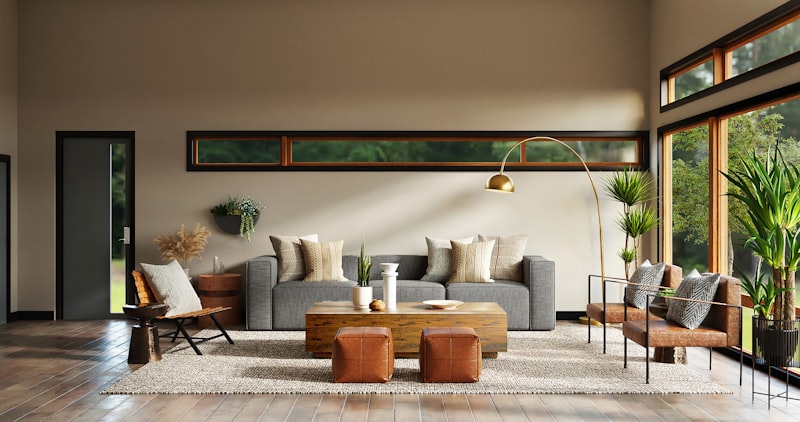
Imagine entering a bright living room where gentle breezes flowing through opposing windows create a sense of freshness. Tall clerestory windows near the ceiling release warm air that rises naturally, while low-level inlets invite cooler air inside. Lightweight curtains flutter slightly with the airflow, and outdoor greenery filters the incoming breeze, bringing the calmness of nature indoors. By designing with natural ventilation principles, you create such vibrant, healthy atmospheres that positively affect mood, productivity, and comfort.
Conclusion
Natural ventilation is a timeless design strategy that aligns comfort, health, and sustainability. By understanding and applying core principles—including optimizing orientation, designing strategic openings, harnessing stack effects, and controlling airflow—you can create interiors that breathe naturally. Whether you’re embarking on new construction or retrofitting existing spaces, integrating natural ventilation will reduce energy use and elevate occupant well-being.
At AKT Designs, we combine over 15 years of expertise with advanced design insights to craft interiors that balance aesthetics, functionality, and sustainability. If you want to explore how natural ventilation principles can enhance your next project, connect with our team for tailored guidance and innovative solutions.
Ready to embrace fresh air and energy efficiency in your interiors? Contact AKT Designs today to discover smart natural ventilation strategies that breathe new life into your spaces.
AKT Designs Team
Expert interior designers with 15+ years of experience in creating stunning residential and commercial spaces across India.
Contact us for a consultation