Natural Ventilation Design Principles: Creating Healthier, Energy-Efficient Spaces
In an era where sustainability and indoor air quality are paramount, natural ventilation has emerged as a cornerstone of thoughtful architectural design. By harnessing the power of natural airflow, we can reduce reliance on mechanical cooling systems, enhance occupant comfort, and create healthier living and working environments. For over 15 years, AKT Designs Pvt Ltd has incorporated these principles to deliver interiors that balance aesthetic appeal with environmental responsibility. In this blog post, we’ll explore the essential principles of natural ventilation design, practical tips to implement them, and how to optimize your spaces for fresh, invigorating air.
Understanding Natural Ventilation: The Basics
Natural ventilation refers to the process of supplying and removing air through an indoor space by natural means, primarily wind and buoyancy forces. Unlike mechanical ventilation, it does not rely on fans or HVAC systems, which can lead to significant energy savings.
Key Benefits of Natural Ventilation
- Improved Indoor Air Quality: Circulating fresh air dilutes pollutants, allergens, and odors.
- Energy Efficiency: Reduces the need for air conditioning and mechanical ventilation systems, lowering electricity consumption.
- Thermal Comfort: Helps regulate indoor temperatures, making spaces more comfortable naturally.
- Sustainability: Uses renewable energy sources (wind and thermal buoyancy), thus minimizing environmental impact.
Fundamental Principles of Natural Ventilation Design
Designing for natural ventilation involves predicting and guiding airflow through building spaces. Below are the core principles that achieve effective ventilation.
1. Utilize Wind-Driven Ventilation
Wind-driven ventilation leverages external wind pressure differences to push fresh air into a building and expel stale air.
- Site analysis: Understand prevailing wind directions and speeds throughout the year.
- Building orientation: Align openings such as windows and vents perpendicular to prevailing winds to maximize airflow.
- Cross ventilation: Position openings on opposite or adjacent walls to promote continuous airflow across the space.
- Avoid obstructions: Landscaping and nearby structures should not block airflow paths.
2. Harness Buoyancy-Driven or Stack Ventilation
Buoyancy-driven ventilation takes advantage of temperature differences between indoor and outdoor air, causing warm air to rise and exit through high-level openings.
- High and low openings: Design vents or operable windows at different heights to allow warm air to escape from the top and draw cooler air in below.
- Atriums and chimney effects: Incorporate vertical shafts or atriums that facilitate upward airflow.
- Thermal mass: Use materials that absorb heat during the day and release it slowly at night, aiding temperature regulation.
3. Maximize Effective Opening Sizes
The size and placement of openings significantly influence ventilation rates.
- Operable windows: Should be large enough to allow sufficient airflow but also consider security and weather protection.
- Adjustability: Include adjustable louvers or shutters to control airflow based on weather conditions.
- Balanced openings: Ensure that inlet and outlet areas are proportionate to maintain steady air exchange.
4. Promote Airflow Pathways Inside
Ventilation effectiveness depends on unobstructed pathways within interiors.
- Open floor plans: Encourage movement of air through connected spaces.
- Interior doors and vents: Installing transoms or louvers can create additional airflow channels.
- Avoid clutter: Minimizing bulky furniture or partitions near openings helps maintain smooth airflow.
5. Consider Local Climate and Microclimate Effects
Natural ventilation strategies must align with regional climate conditions for optimal performance.
- Hot and humid climates: Prioritize cross ventilation and shading to remove heat and moisture.
- Cold climates: Use stack ventilation during transitional seasons but limit drafts in winter.
- Urban settings: Account for reduced wind speeds; consider ventilation courtyards or mechanical assistance as needed.
Practical Tips for Implementing Natural Ventilation
Whether working on a new construction or retrofitting an existing space, these actionable tips will enhance natural ventilation outcomes.
- Perform a thorough site study: Monitor wind patterns, sun orientation, and local environmental factors.
- Incorporate greenery strategically: Trees and shrubs can channel or block airflow. Use them to your advantage.
- Use operable windows with insect screens: For comfort and protection without sacrificing ventilation.
- Combine with shading devices: Overhangs, louvers, and blinds reduce solar heat gain while allowing airflow.
- Integrate ventilation controls: Use smart sensors or manual controls to adjust openings according to temperature and air quality.
- Educate occupants: Encourage habits like opening windows during cooler parts of the day to maximize ventilation.
Visualizing Natural Ventilation in Interior Spaces
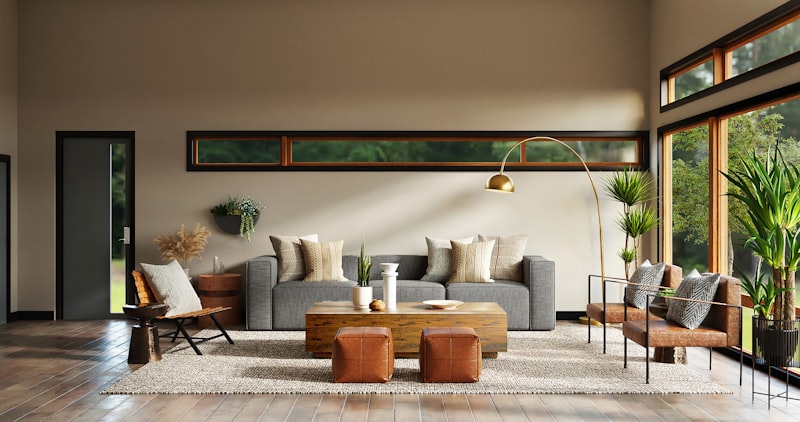
Imagine stepping into a room where the window on one side frames a gentle breeze that passes unobstructed through a series of spacious openings, and exits through tall vents near the ceiling. The room stays fresh, comfortably cool, and filled with natural light. This is the power of integrating natural ventilation thoughtfully — not only does it energize the space but also connects occupants with the outdoor environment.
At AKT Designs Pvt Ltd, we focus on designing interiors that not only look stunning but also breathe naturally. Our projects blend classic principles with modern innovations to create spaces that prioritize occupant health and environmental sustainability.
Conclusion: Embrace the Power of Natural Ventilation
Incorporating natural ventilation design principles is a wise investment for any building project aimed at sustainability, comfort, and occupant well-being. By understanding wind and buoyancy forces, maximizing opening efficiency, and considering climatic factors, designers and homeowners can create environments that naturally promote airflow and freshness.
Whether planning a new interior or upgrading an existing one, integrating these principles can dramatically improve indoor air quality and reduce energy costs. Remember, effective natural ventilation is not just about opening windows — it’s about a carefully orchestrated design approach that balances form, function, and nature.
If you’re ready to explore how natural ventilation can transform your space, the experienced team at AKT Designs Pvt Ltd is here to help guide your journey towards healthier, greener interiors.
Get in touch with AKT Designs to learn more about sustainable interior design practices including natural ventilation strategies tailored for your unique space. Embrace fresh air, energy savings, and timeless comfort today!
AKT Designs Team
Expert interior designers with 15+ years of experience in creating stunning residential and commercial spaces across India.
Contact us for a consultation