In recent years, the push for sustainability in construction has gained tremendous momentum. As homeowners, businesses, and developers embrace eco-friendly practices, understanding green building certifications becomes essential. These certifications not only validate a building’s environmental performance but also add value by promoting energy efficiency, reducing waste, and enhancing occupant health. At AKT Designs, with over 15 years of expertise in sustainable interior design and construction, we’ve witnessed firsthand how green building certifications shape smarter, greener spaces.
What Are Green Building Certifications?
Green building certifications are formal recognitions awarded to buildings and projects that meet specific sustainability criteria. These programs establish standards for environmentally responsible design, construction, and operations. Certification assures stakeholders that a structure adheres to best practices in areas like energy use, water conservation, material selection, indoor air quality, and overall environmental impact.
Generally, green building certifications are awarded based on multiple performance categories with points or prerequisites that must be fulfilled for different certification levels, such as Certified, Silver, Gold, or Platinum. Achieving these certifications requires thorough documentation, third-party verification, and often ongoing compliance.
Why Pursue Green Building Certifications?
Implementing sustainable building practices backed by certifications offers a multitude of benefits:
- Environmental Impact Reduction: Conserves natural resources and minimizes pollution.
- Energy and Water Savings: Lowers utility bills and operational costs through efficiency.
- Improved Indoor Environment: Better air quality and natural lighting promote occupant well-being.
- Market Differentiation: Certified buildings often command higher resale values and attract eco-conscious tenants.
- Compliance and Incentives: Many certification programs align with local regulations and open doors to financial incentives or grants.
Popular Green Building Certification Programs
Understanding the most respected certifications will help you make informed decisions in your design and construction projects.
LEED (Leadership in Energy and Environmental Design)
- Overview: Developed by the U.S. Green Building Council, LEED is one of the most widely recognized green building rating systems worldwide.
- Certification Levels: Certified, Silver, Gold, Platinum.
- Focus Areas: Sustainable sites, water efficiency, energy and atmosphere, materials and resources, indoor environmental quality, and innovation.
- Applications: Suitable for commercial, residential, and interior projects.
WELL Building Standard
- Overview: Emphasizes occupant health and wellness through design.
- Focus Areas: Air, water, nourishment, light, fitness, comfort, and mind.
- Unique Aspect: Goes beyond energy efficiency by integrating human-centric design elements.
- Applications: Commercial offices, multifamily residential, healthcare, and education.
BREEAM (Building Research Establishment Environmental Assessment Method)
- Overview: One of the oldest certification systems, primarily used in Europe.
- Focus Areas: Management, health and wellbeing, energy, transport, water, materials, waste, land use, and ecology.
- Certification Ratings: Pass, Good, Very Good, Excellent, Outstanding.
- Applications: New construction, refurbishment, and existing buildings.
Green Globes
- Overview: A flexible and user-friendly tool primarily popular in North America.
- Certification Levels: One to four Green Globes.
- Focus Areas: Project management, site, energy, water, resources, emissions, indoor environment.
- Applications: Commercial buildings and interiors.
Other Notable Certifications
- Living Building Challenge: Focuses on regenerative design with rigorous prerequisites.
- Energy Star: Concentrates mainly on energy efficiency for commercial and residential buildings.
- IgCC (International Green Construction Code): A model code to guide sustainable construction practices.
Key Criteria Considered in Green Certifications
While each certification program has its own framework, common sustainability elements include:
- Energy Efficiency: Use of renewable energy, high-performance HVAC systems, insulation, and energy monitoring.
- Water Conservation: Low-flow fixtures, rainwater harvesting, and drought-resistant landscaping.
- Materials and Resources: Use of recycled, locally sourced, and low-VOC materials.
- Indoor Environmental Quality: Enhanced ventilation, natural daylighting, and non-toxic finishes.
- Waste Reduction: Construction waste management and recycling programs.
- Site Sustainability: Minimizing site disturbance, preserving natural habitats, and promoting alternative transportation.
How to Prepare Your Project for Certification
Achieving green certification requires strategic planning and attention to detail from the outset.
Steps to Get Started
- Define Project Goals: Establish sustainability objectives aligned with budget and intended certification.
- Choose the Right Certification: Select the program that best fits project type, location, and desired outcomes.
- Assemble a Knowledgeable Team: Engage architects, engineers, and contractors familiar with green building standards.
- Perform Initial Assessments: Conduct energy modeling, site analysis, and materials reviews.
- Develop a Sustainability Plan: Map out design and construction strategies to meet credit requirements.
- Documentation and Tracking: Keep meticulous records of materials, inspections, and performance data.
- Third-Party Verification: Schedule and prepare for audits or assessments by certifying bodies.
Tips for Streamlining Certification
- Start certification applications early to avoid last-minute hurdles.
- Prioritize prerequisites in design to ensure minimum compliance.
- Leverage technology tools for documentation and performance monitoring.
- Include sustainability considerations in procurement and subcontractor selection.
- Engage occupants through education on building features and environmental benefits.
The Role of Interior Design in Green Building Certifications
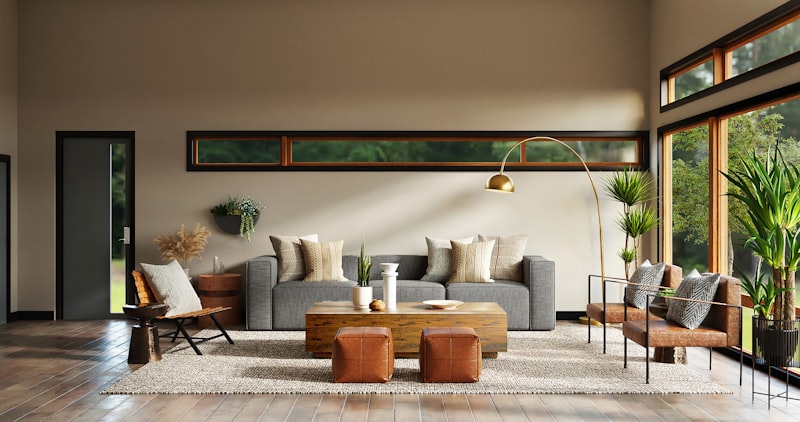
Interior spaces play a crucial role in sustainable buildings. Designing with a focus on indoor air quality, natural light, and eco-friendly materials directly impacts certification outcomes and occupant experience.
Here are some actionable design tips to contribute to green certification goals:
- Use low-VOC paints, adhesives, and finishes to reduce harmful emissions.
- Incorporate daylighting through window placement and light shelves.
- Choose sustainably sourced or recycled furniture and finishes.
- Optimize space planning to improve natural ventilation and airflow.
- Select energy-efficient lighting and smart controls.
- Integrate biophilic elements like indoor plants to enhance wellbeing.
At AKT Designs, we specialize in combining aesthetic appeal with sustainability, ensuring our interiors meet both high design and environmental standards.
Conclusion: Embracing Sustainability with Confidence
Green building certifications serve as trusted guides and benchmarks for anyone embarking on sustainable construction or renovation. They bring transparency, accountability, and measurable benefits that extend well beyond environmental impact. By understanding the various certification programs, their criteria, and how interior design factors into the equation, you can confidently pursue greener spaces that save costs, delight occupants, and help build a healthier planet.
If you’re planning a project and want expert guidance navigating green certifications or crafting interiors that marry style with sustainability, AKT Designs is here to help. Together, we can create spaces that are beautiful, efficient, and truly green.
Ready to take your project to the next level? Contact AKT Designs today and let’s build a sustainable future, one space at a time.
AKT Designs Team
Expert interior designers with 15+ years of experience in creating stunning residential and commercial spaces across India.
Contact us for a consultation