Embracing sustainability in construction and interior design is more important than ever. As awareness about environmental impact grows, so does the demand for green building practices. One of the most effective ways to ensure your project aligns with sustainable standards is by pursuing green building certifications. But what exactly are these certifications, and how do they influence design and construction? In this post, we’ll break down the essentials of green building certifications, helping you understand their significance and how to leverage them for your next project.
What Are Green Building Certifications?
Green building certifications are third-party verifications that a building or project meets specific environmental and sustainability criteria. These certifications encourage resource efficiency, reduced carbon footprint, improved indoor air quality, and overall sustainable development practices. They serve as benchmarks and guides for architects, designers, contractors, and owners who want to minimize environmental impact.
Why Are Green Building Certifications Important?
- Validation of sustainability efforts: Certifications provide credible proof that your project follows sustainable guidelines.
- Increased property value: Certified buildings often enjoy higher resale or rental value.
- Operational cost savings: Many certifications encourage energy and water efficiency, reducing long-term utility bills.
- Compliance with regulations: Staying ahead of evolving green codes and building regulations.
- Enhanced occupant health and comfort: Certifications emphasize indoor environmental quality, leading to healthier spaces.
Popular Green Building Certifications Explained
1. LEED (Leadership in Energy and Environmental Design)
Developed by the U.S. Green Building Council (USGBC), LEED is one of the most recognized certifications worldwide. It evaluates projects based on categories like:
- Sustainable sites
- Water efficiency
- Energy and atmosphere
- Materials and resources
- Indoor environmental quality
- Innovation in design
Certification Levels: Certified, Silver, Gold, and Platinum.
Use Case: LEED certification is versatile and applies to commercial buildings, residences, neighborhoods, and even interior spaces.
2. BREEAM (Building Research Establishment Environmental Assessment Method)
Originating in the UK, BREEAM assesses buildings on environmental, social, and economic sustainability parameters.
Key focus areas include:
- Energy
- Health and wellbeing
- Innovation
- Land use
- Materials
- Waste
Certification Ratings: Pass, Good, Very Good, Excellent, Outstanding.
Use Case: Particularly prevalent in Europe, BREEAM is suitable for diverse project scales and types.
3. WELL Building Standard
While other certifications focus heavily on environmental impact, the WELL Building Standard zeroes in on occupant health and wellness. It covers:
- Air
- Water
- Nourishment
- Light
- Fitness
- Comfort
- Mind
Certification Levels: Silver, Gold, Platinum.
Use Case: Ideal for workplaces, healthcare, and educational facilities prioritizing occupant well-being.
4. Green Star
Green Star is an Australian certification system that assesses the environmental design and construction of buildings and communities. It scores projects based on:
- Management
- Indoor environment quality
- Energy
- Transport
- Water
- Materials
- Land use and ecology
- Emissions
- Innovation
Certification Ratings: 1 to 6 star rating (best practice to world leadership)
Use Case: Widely used for commercial, institutional, and residential developments in Australia and beyond.
5. IGBC (Indian Green Building Council)
Catering specifically to India’s context, IGBC promotes sustainable construction through certifications tailored to local climate, resources, and regulations. It includes rating systems for:
- Residential
- Commercial
- Townships
- Interiors and fit-outs
Certification Levels: Certified, Silver, Gold, Platinum.
Use Case: Ideal for projects developed within India, balancing global standards with regional relevancy.
How to Choose the Right Certification for Your Project
Selecting the most appropriate green building certification depends on several factors:
- Project Location: Availability and recognition of certification programs vary by region.
- Building Type: Some certifications are better suited for commercial, residential, or interior projects.
- Budget: Certification costs, including registration, documentation, and verification fees, differ.
- Goals and Priorities: Whether the focus is on energy savings, occupant health, innovation, or local compliance.
- Timeline: Certification processes can add time to project delivery, so timeframe considerations are essential.
Practical Tips to Navigate Green Building Certification
- Engage early: Consult with sustainability experts and certification consultants at the design phase.
- Integrate sustainability goals: Combine certification requirements with functional design objectives.
- Use green materials: Prioritize renewable, recycled, and locally sourced materials.
- Implement energy-efficient systems: Opt for LED lighting, HVAC systems with smart controls, and renewable energy sources.
- Document thoroughly: Maintain detailed records of design decisions, materials, and construction processes.
- Conduct occupant education: Ensure building users understand and maintain sustainable features.
The Role of Interior Design in Green Building Certifications
Interior spaces greatly influence a building’s overall sustainability score. As experts with over 15 years of experience, AKT Designs Pvt Ltd focuses on integrating green principles into every interior project. Considerations include:
- Use of low-VOC paints and finishes to improve indoor air quality
- Selecting furnishings made from sustainable or recycled materials
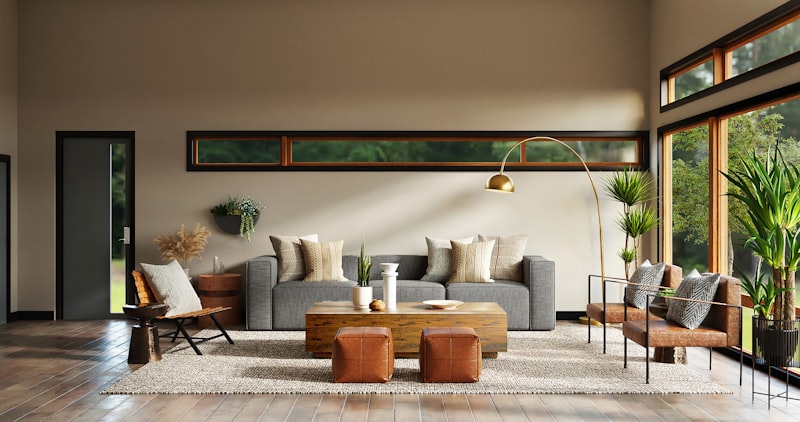
- Maximizing natural light and ventilation through smart spatial planning
- Incorporating biophilic design elements like indoor plants
- Designing flexible spaces to reduce resource consumption over time
By aligning interior design decisions with green certification standards, projects can achieve holistic sustainability.
Conclusion: Build a Greener Future with Certified Sustainable Design
Green building certifications are more than just badges of honor—they represent tangible commitments to environmental stewardship, occupant well-being, and smart resource management. Whether embarking on a new commercial construction or upgrading an interior space, understanding these certification programs can guide you toward smarter, more sustainable choices.
At AKT Designs Pvt Ltd, we combine our deep expertise with a passion for sustainability to help clients navigate green building standards seamlessly. Interested in making your next project greener? Contact us to explore how sustainable design and construction can elevate your space while preserving our planet for the future.
AKT Designs Team
Expert interior designers with 15+ years of experience in creating stunning residential and commercial spaces across India.
Contact us for a consultation