In today's world, where sustainability is no longer a choice but a responsibility, green building certifications have become essential benchmarks for environmentally conscious construction and design. Whether you're a homeowner, developer, or interior designer, understanding these certifications is crucial for making informed decisions that positively impact both the environment and your project's long-term value. At AKT Designs Pvt Ltd, we prioritize sustainable practices and stay abreast of the latest standards to deliver eco-friendly interiors that align with green building principles.
What Are Green Building Certifications?
Green building certifications are formal recognitions awarded to buildings or projects that meet specific environmental performance criteria. These certifications assess various factors such as energy efficiency, water conservation, indoor environmental quality, and sustainable material use. By adhering to these standards, buildings reduce their ecological footprint, promote healthier living environments, and often enjoy cost savings through operational efficiencies.
Why Green Building Certifications Matter
- Environmental Impact: Certified buildings minimize waste, reduce harmful emissions, and conserve natural resources.
- Economic Benefits: Lower energy bills, increased property value, and eligibility for tax incentives are common perks.
- Health and Comfort: Improved air quality, natural lighting, and thermal comfort create healthier spaces for occupants.
- Market Differentiation: Certifications signal commitment to sustainability to clients, tenants, and investors.
Popular Green Building Certifications
1. LEED (Leadership in Energy and Environmental Design)
Developed by the U.S. Green Building Council, LEED is one of the most widely recognized certifications worldwide. It evaluates buildings on a point-based system across categories including sustainable sites, water efficiency, energy use, material selection, and indoor environmental quality.
- Certification Levels: Certified, Silver, Gold, Platinum
- Applicable Projects: Commercial, residential, interiors, neighborhood developments
- Key Benefits:
- Comprehensive framework for sustainability
- Globally recognized standard
2. BREEAM (Building Research Establishment Environmental Assessment Method)
Originating from the UK, BREEAM emphasizes reducing environmental impacts through design, construction, and operation. It focuses on areas such as energy, health and wellbeing, transport, water, materials, waste, ecology, and management processes.
- Rating Levels: Pass, Good, Very Good, Excellent, Outstanding
- Applicable Projects: New construction, refurbishment, fit-outs
- Key Benefits:
- Strong emphasis on lifecycle performance
- Encourages innovation in sustainability
3. IGBC (Indian Green Building Council)
IGBC provides standards tailored to India's climate, resources, and building practices. It promotes green buildings by focusing on energy efficiency, water management, site planning, and responsible materials usage.
- Certification Levels: Certified, Silver, Gold, Platinum
- Applicable Projects: Residential, commercial, institutional, factories
- Key Benefits:
- Contextualized for Indian environmental challenges
- Supports reduction of greenhouse gas emissions
4. WELL Building Standard
WELL focuses on building features that impact occupant health and wellbeing, including air, water, nourishment, light, fitness, comfort, and mental health.
- Certification Levels: Silver, Gold, Platinum
- Applicable Projects: Commercial interiors, new and existing buildings
- Key Benefits:
- Prioritizes human-centric design
- Enhances productivity and satisfaction
How Buildings Earn Green Certifications
Step 1: Planning and Design Integration
Early involvement of architects, designers, and engineers to incorporate green principles is critical. This includes selecting sustainable materials, optimizing building orientation for natural light, and planning energy-efficient systems.
Step 2: Documentation and Application
Detailed documentation showcasing compliance with certification requirements must be submitted. This may include energy models, water use plans, material sourcing details, and post-occupancy monitoring strategies.
Step 3: Verification and Assessment
An independent body reviews the submitted documents and often conducts site visits to verify claims. This step ensures the building meets all necessary criteria.
Step 4: Certification Award and Maintenance
Once verified, certification is granted. Some certifications require periodic re-assessment to maintain status and encourage continuous improvement.
Practical Tips for Interior Designers and Developers
- Choose Low-Impact Materials: Opt for recycled, locally sourced, and non-toxic materials to reduce environmental and health impacts.
- Maximize Natural Lighting: Design spaces with large windows, skylights, and reflective surfaces to reduce dependence on artificial lighting.
- Incorporate Energy-Efficient Systems: Utilize LED lighting, smart thermostats, and energy-efficient appliances.
- Implement Water Conservation Measures: Use low-flow fixtures, rainwater harvesting, and greywater recycling systems.
- Enhance Indoor Air Quality: Select low-VOC paints and finishes, ensure proper ventilation, and include indoor plants where suitable.
- Engage Sustainable Contractors: Collaborate with builders and suppliers committed to green practices.
Visualizing the Benefits
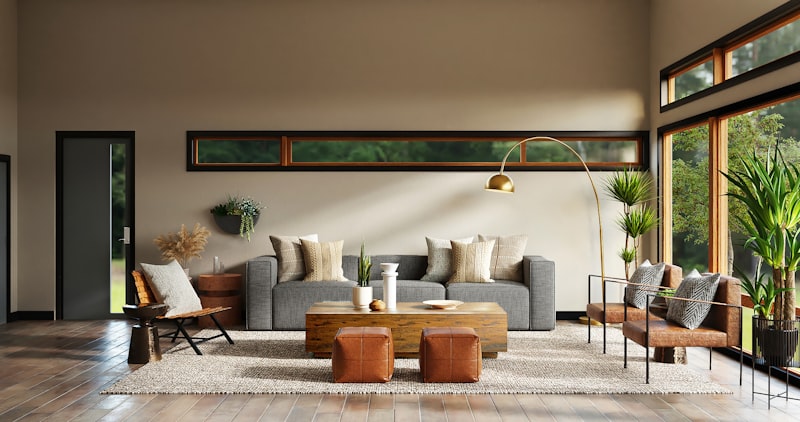
Imagine walking into an office bathed in natural light, with fresh air circulating through strategically placed vents and air purifiers. The flooring beneath your feet is made from reclaimed wood, and the walls are coated with paints that emit no harmful chemicals. Outside, native plants reduce water usage and provide shade that keeps the building cool. This is the kind of environment green building certifications encourage—spaces that nurture both the planet and the people within.
Conclusion
Green building certifications are more than just labels; they represent a commitment to creating sustainable, healthy, and efficient spaces. By understanding the various certification systems and their requirements, professionals and clients alike can make deliberate choices that benefit the environment and enhance quality of life. Whether you're embarking on a new project or retrofitting an existing space, incorporating green certification standards can serve as a roadmap to success.
At AKT Designs Pvt Ltd, we integrate sustainable design principles with creative innovation to bring certified, eco-friendly interiors to life. Ready to transform your space sustainably? Contact us today to explore how green building certifications can elevate your next project.
AKT Designs Team
Expert interior designers with 15+ years of experience in creating stunning residential and commercial spaces across India.
Contact us for a consultation