
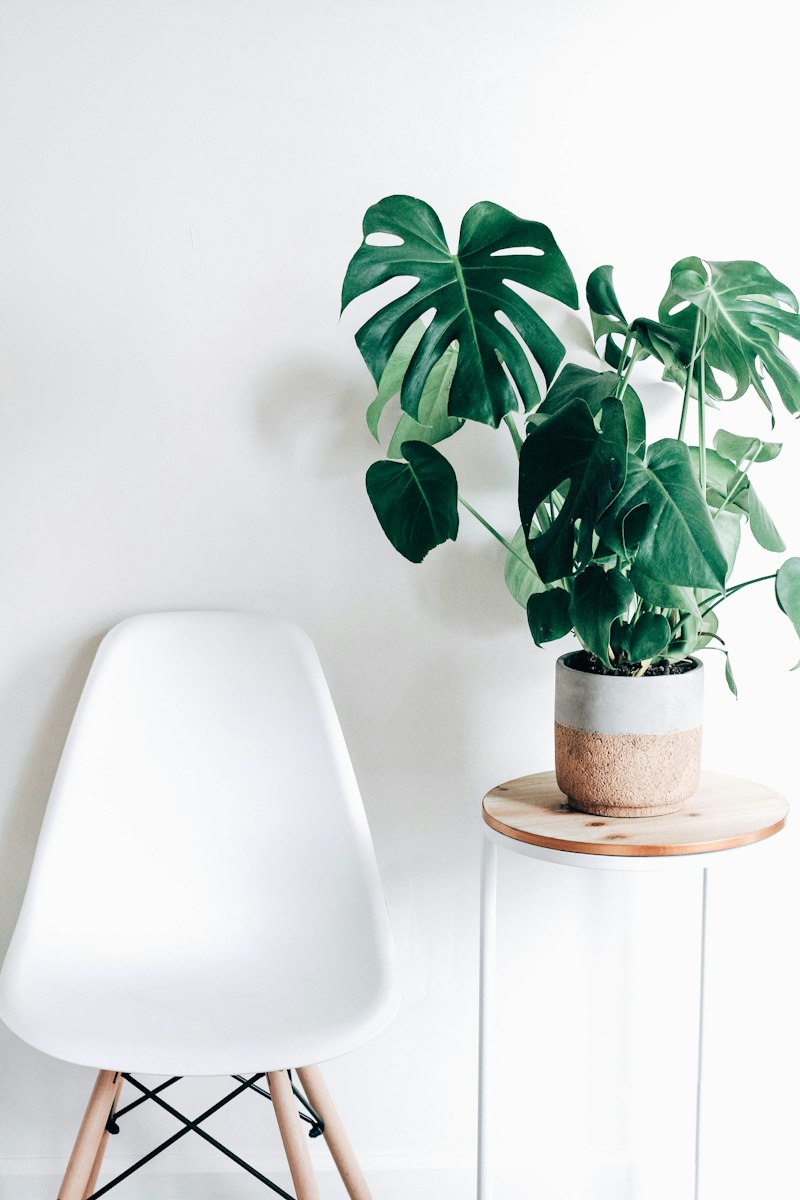
Indoor plants have transcended their role as mere decorative elements to become vital components in modern interior design. They bring life, color, and a sense of calm to any space, making homes and offices feel more welcoming and connected to nature. For over 15 years, AKT Designs Pvt Ltd has embraced the beauty and benefits of incorporating greenery into interiors, crafting environments that inspire and rejuvenate. In this blog post, we explore the essential role of indoor plants in interior design and offer practical tips to help you integrate them seamlessly into your spaces.
Why Indoor Plants Matter in Interior Design
Indoor plants are more than just aesthetic accessories—they contribute significantly to the ambiance, air quality, and overall mood within a space. Here’s why designers and homeowners alike are turning to greenery:
- Enhance Visual Appeal: Plants introduce organic shapes, textures, and vibrant greens that contrast beautifully against walls, furniture, and flooring.
- Improve Air Quality: Many indoor plants filter toxins and release oxygen, fostering healthier indoor environments.
- Boost Mental Well-being: Interaction with plants has been linked to reduced stress levels, enhanced focus, and elevated mood.
- Define Space and Structure: Strategically placed plants can define zones within open-plan rooms or soften architectural lines.
Choosing the Right Indoor Plants for Your Space
Selecting plants that suit your lifestyle and interior style is key to achieving a balanced and thriving indoor garden.
Assess Light Conditions
- Bright Light: Plants like fiddle leaf figs, rubber plants, and succulents thrive in spaces with ample natural sunlight.
- Low to Medium Light: Snake plants, pothos, and ZZ plants do well in shaded corners or rooms with minimal direct sun.
Consider Maintenance Needs
- Low-Maintenance Options: Perfect for busy professionals or beginners; examples include snake plants, peace lilies, and spider plants.
- High-Maintenance Plants: Require regular watering, humidity, and care, such as orchids or fiddle leaf figs.
Match Plant Styles to Interior Themes
- Modern/Minimalist: Opt for clean, sculptural plants like cacti or monstera with sleek pots.
- Bohemian: Mix and match a variety of trailing plants like pothos and ferns in eclectic planters.
- Traditional: Classic plants like palms and peace lilies in elegant ceramic pots work well.
Creative Ways to Incorporate Indoor Plants
Integrating plants into your interior design extends beyond placing a pot on the windowsill. Here are innovative approaches to make greenery a focal point:
Create a Living Wall
A vertical garden or living wall transforms dull surfaces into vibrant, textured statements. Using modular panels or pocket planters, you can cultivate a lush green canvas perfect for entryways or dining areas.
Use Plant Stands and Shelves
Different levels add depth and dimension. Incorporate tiered plant stands or floating shelves to display a curated collection of plants at varying heights.
Combine with Natural Materials
Complement plants with wooden furniture, jute rugs, and clay pots to amplify the organic aesthetic, making spaces feel cozy and grounded.
Incorporate Terrariums and Tabletop Gardens
Small-scale, contained plant displays are ideal for desks, coffee tables, or bathroom counters, offering the refreshing qualities of plants without requiring much space.
Tips for Maintaining Healthy Indoor Plants
Keeping your indoor plants vibrant and thriving requires consistent care. Here are practical tips:
- Water Wisely: Overwatering is a common mistake. Ensure pots have drainage holes and water only when the top inch of soil feels dry.
- Provide Adequate Light: Rotate plants periodically to ensure even growth and adjust placement according to seasonal light changes.
- Feed and Fertilize: Use balanced, water-soluble fertilizers monthly during growing seasons.
- Prune Regularly: Remove dead leaves and encourage new growth to keep plants looking fresh.
- Monitor for Pests: Check for pests like spider mites or aphids and treat promptly with natural remedies or insecticidal soaps.
The Role of Indoor Plants in Different Rooms
Each room has unique conditions and design needs, so consider these room-specific suggestions:
Living Room
The central area benefits from statement plants like fiddle leaf figs or bird of paradise, paired with smaller accent plants to create an inviting, lively atmosphere.
Kitchen
Herbs and small succulents work well on windowsills or countertops, adding both beauty and practicality.
Bathroom
Humidity-loving plants like ferns, orchids, and peace lilies thrive here, turning the bathroom into a spa-like retreat.
Bedroom
Calming plants such as lavender, jasmine, or snake plants promote restful sleep and a serene environment.
Conclusion
Indoor plants are an effortless yet impactful way to elevate interior design, combining aesthetics with wellness benefits. Whether you’re a seasoned plant enthusiast or just starting to explore the green side of décor, thoughtful placement and plant selection can transform your space into a stylish sanctuary.
At AKT Designs Pvt Ltd, our experienced team understands how to blend lush greenery into interior environments, creating harmonious, breathable spaces that reflect your personality and lifestyle. Ready to refresh your interiors with the calming presence of indoor plants? Reach out to us for expert advice tailored to your home or office.
Bring your interiors to life—one plant at a time!
AKT Designs Team
Expert interior designers with 15+ years of experience in creating stunning residential and commercial spaces across India.
Contact us for a consultation