Construction materials form the very foundation of any building project, influencing not just the structural integrity but also the aesthetic appeal and sustainability of a space. Whether you are a homeowner embarking on a renovation or an industry professional, understanding the properties and applications of various construction materials is crucial. This knowledge ensures smarter decisions, better budgeting, and, ultimately, a space that stands the test of time. With over 15 years of experience at AKT Designs, we’ve seen firsthand how the right materials can transform a project. Let’s explore the essentials of construction materials to help you make informed choices.
The Importance of Choosing the Right Construction Materials
Selecting appropriate construction materials impacts multiple facets of a project including durability, cost, environmental footprint, and design flexibility. The construction industry today balances traditional materials with innovative, eco-friendly options—each serving unique purposes and benefits.
Key Considerations When Selecting Materials
- Purpose and Functionality: Structural materials differ from finishing materials; each must meet specific load-bearing or aesthetic needs.
- Durability and Maintenance: Consider weather resistance, wear and tear, and maintenance requirements.
- Environmental Impact: Sustainable materials reduce carbon footprints and may qualify for green building certifications.
- Budget Constraints: Balancing quality with cost efficiency is essential for project viability.
- Aesthetic Appeal: Materials contribute to style, texture, and overall interior/exterior ambiance.
Common Types of Construction Materials and Their Uses
Understanding the properties and typical use cases of various materials can clarify your design and construction decisions.
1. Concrete
One of the most versatile and widely used construction materials, concrete is prized for its strength and longevity.
- Composition: Cement, aggregates (sand, gravel), water, and admixtures.
- Uses: Foundations, slabs, walls, pavements, and decorative finishes.
- Advantages: Fire resistant, moldable into different shapes, and relatively low cost.
- Considerations: Heavy, can crack under stress if not mixed or reinforced properly.
2. Wood
Wood remains a popular choice for residential construction and interior finishes due to its natural warmth and beauty.
- Types: Softwood (pine, fir), hardwood (oak, maple).
- Uses: Framing, flooring, cabinetry, paneling, and decorative elements.
- Advantages: Renewable resource, excellent insulation properties, easy to work with.
- Considerations: Susceptible to moisture, termites, and fire unless treated.
3. Steel
Steel is a robust material commonly used in commercial construction for creating strong frameworks.
- Properties: High tensile strength, flexibility under load.
- Uses: Structural beams, supports, reinforcements, staircases.
- Advantages: Durable, recyclable, quick to install.
- Considerations: Can corrode without proper treatment, conducts heat and cold rapidly.
4. Masonry
Masonry includes bricks, stones, and concrete blocks used for walls and façades.
- Materials: Clay bricks, concrete blocks, natural stone (granite, limestone).
- Uses: Walls, fences, fireplaces, and decorative facades.
- Advantages: Fire resistant, excellent thermal mass, aesthetic variety.
- Considerations: Labor intensive, requires skilled craftsmanship.
5. Glass
Modern architecture extensively incorporates glass for its transparency and ability to bring natural light indoors.
- Types: Tempered, laminated, insulated glass.
- Uses: Windows, doors, curtain walls, skylights.
- Advantages: Enhances daylighting, modern appearance, improves energy efficiency with coatings.
- Considerations: Fragile, requires regular cleaning, can cause heat gain/loss if poorly selected.
6. Sustainable and Innovative Materials
With growing emphasis on sustainability, eco-friendly materials are gaining momentum.
- Examples: Bamboo, recycled metal, rammed earth, reclaimed wood.
- Benefits: Lower carbon footprint, reduces waste, sometimes better insulation.
- Considerations: Availability, sometimes higher upfront costs, unfamiliarity can require expert guidance.
Practical Tips for Working with Construction Materials
Whether you’re managing a project or simply seeking knowledge, these actionable tips help optimize material use:
- Consult Experts Early: Engaging qualified architects or designers early ensures material choices align with design intent and structural requirements.
- Request Samples: Seeing and touching material samples can help you visualize the final outcome.
- Consider Local Availability: Locally sourced materials reduce transportation costs and environmental impact.
- Plan for Maintenance: Some materials may look good initially but require ongoing care—factor this into your budget and schedule.
- Balance Aesthetics with Function: Prioritize materials that serve critical functions, supplementing with aesthetic finishes as needed.
- Incorporate Energy Efficiency: Select materials that improve insulation or allow for better natural lighting to reduce energy bills.
Visualizing Material Impact in Your Space
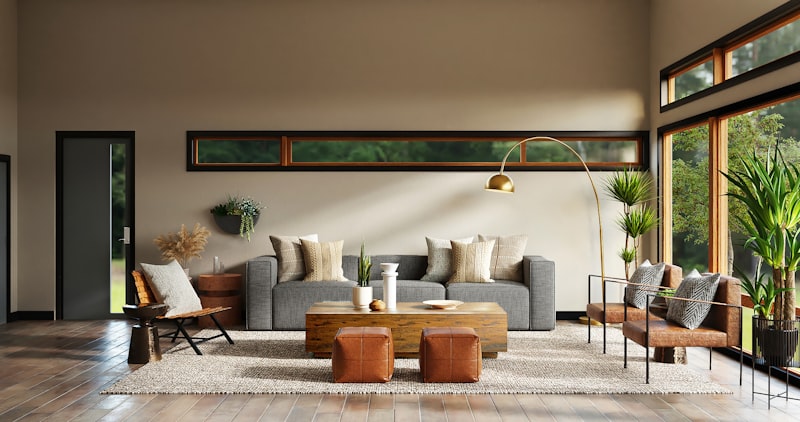
Material choices are not only technical decisions—they shape the tactile and visual experience of a space.
- Imagine the cool solidity of polished concrete floors contrasting with the inviting warmth of wooden cabinetry.
- Picture a sleek steel staircase framed with glass panels to create an airy, modern atrium.
- Consider natural stone walls that add texture and timeless elegance to a home’s exterior.
At AKT Designs, we merge material expertise with creativity, tailoring solutions that harmonize strength and style in every project.
Conclusion: Building a Strong Foundation with Informed Material Choices
Understanding construction materials empowers you to create spaces that are not only structurally sound but also beautiful and sustainable. From concrete’s reliability to the nuanced charm of wood and the cutting-edge potential of innovative eco-friendly options, every choice shapes the final outcome. With thoughtful selection and expert guidance, your project will enjoy longevity, efficiency, and timeless appeal.
If you’re planning your next interior or construction project and want personalized advice on material selection and design, the seasoned team at AKT Designs is here to help. Contact us today to transform your vision into reality with materials that truly matter.
AKT Designs Team
Expert interior designers with 15+ years of experience in creating stunning residential and commercial spaces across India.
Contact us for a consultation