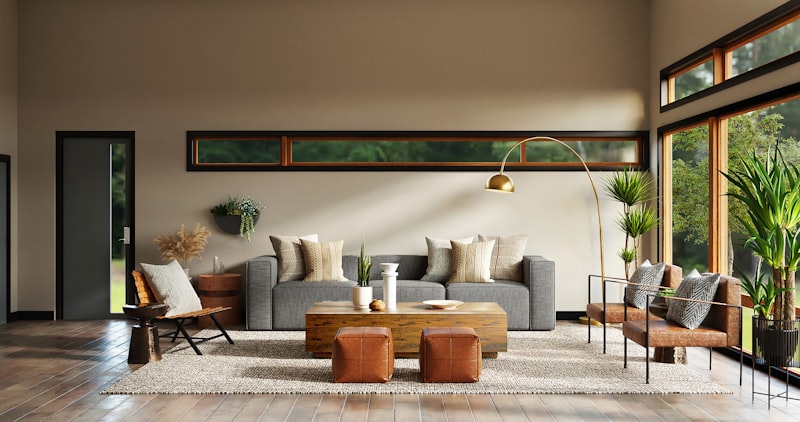
Creating an inspiring and visually engaging space often comes down to the details—one of the most impactful being how you select and place art and wall decor. Whether you’re starting fresh in a new home or looking to refresh your existing interiors, the right placement of artwork and decorative pieces can completely transform a room’s ambiance. With over 15 years of experience in interior design, AKT Designs understands the importance of art in personalizing and elevating a space. Here, we share practical tips to help you showcase your art and wall decor beautifully and thoughtfully.
Why Art and Wall Decor Placement Matters
Artwork isn’t just about filling empty space; it’s a form of storytelling and personality expression. Proper placement enhances the artwork’s appeal, complements the room’s design, and creates harmony within the space. Poor placement, conversely, can make the room feel unbalanced or cluttered.
Essential Tips for Art and Wall Decor Placement
1. Consider the Room’s Function and Mood
Start by thinking about the room’s primary use and the atmosphere you want to create:
- Living Room: Choose statement pieces that serve as conversation starters. Place art where it’s immediately visible upon entering.
- Bedroom: Opt for calming and soothing artwork that promotes relaxation. Above the headboard is a classic spot.
- Dining Room: Bold, vibrant pieces stimulate energy and can enhance mealtime ambiance.
- Hallways: Smaller or multiple pieces arranged in a gallery style work well here to add interest to transitional spaces.
2. Establish the Right Height
The ideal height for hanging art aligns the center of the piece at approximately eye level, which is generally around 57 to 60 inches from the floor. This guideline leads to a natural and comfortable viewing experience.
- When hanging art above furniture, like sofas or console tables, leave about 6-12 inches between the bottom of the artwork and the top of the furniture.
- For groupings or gallery walls, maintain consistent spacing (usually 2-4 inches between frames) for a cohesive look.
3. Choose Properly Sized Art
Scale matters. An oversized piece can overwhelm a small wall, while tiny art may get lost on a large expanse.
- Large walls benefit from a single statement piece or a large grouping.
- For small walls or nooks, smaller art or vertical compositions work better.
- Keep the art proportionate to furniture or architectural elements—for example, a wide sofa calls for a wider artwork above it.
4. Play with Arrangements and Groupings
Combining multiple pieces allows you to create a dynamic, personalized gallery wall or a balanced display.
- Start by laying out the arrangement on the floor to preview before committing to the wall.
- Mix different frame styles, colors, and artwork types—photographs, prints, and paintings—to add texture and depth.
- Consider symmetry for a formal feel, or asymmetry for a more casual, eclectic vibe.
5. Use Lighting to Enhance Artwork
Proper lighting accentuates colors, textures, and details of your art.
- Use adjustable picture lights, track lighting, or wall sconces directed towards the art.
- Avoid direct sunlight to prevent fading over time.
- Soft, warm white bulbs complement most artwork beautifully.
6. Incorporate Three-Dimensional Wall Decor
Art doesn’t have to be flat. Sculptural pieces, wall hangings, mirrors, and decorative shelves add dimension and interest to your walls.
- Use wall-mounted planters or woven baskets for a natural, tactile vibe.
- Mirrors can help reflect light and make rooms appear larger.
- Balance three-dimensional decor with flat artwork for visual variety.
7. Create Focal Points
Strategically place an eye-catching piece where it naturally draws attention:
- Above the fireplace mantel
- Behind the main seating area
- Entryway walls that greet visitors
These focal points set the tone and anchor the room’s design.
8. Consider the Wall Color and Texture
The backdrop affects how your art is perceived:
- On neutral walls, colorful artwork pops.
- Bold or textured walls call for more subdued pieces or even black and white art to balance visual intensity.
- Accent walls are excellent spots for impactful, dramatic art.
Practical Steps to Hang Art Like a Pro
- Use a tape measure, level, and painter’s tape to mark exact spots to avoid unnecessary holes.
- Use appropriate wall anchors or mounting hardware depending on the weight and wall material.
- Enlist help when hanging large or heavy pieces for safety and precision.
How AKT Designs Approaches Art Placement
At AKT Designs, we emphasize a holistic view of interiors, ensuring that art and wall decor align seamlessly with the overall aesthetic, function, and client personality. Our design experts thoughtfully curate collections and placement, balancing scale, color, and texture to enhance every room’s story.
Conclusion
Art and wall decor are powerful tools in defining your home’s character and visual appeal. By considering factors like room function, proper height, scale, lighting, and arrangement, you can create balanced, captivating walls that spark joy and admiration. Whether you prefer a minimalist approach or a rich, gallery-style display, these placement tips can elevate your interior design effortlessly.
Ready to transform your walls with expertly curated art and decor? Connect with the seasoned professionals at AKT Designs to bring your vision to life with precision and style. Your perfect space awaits!
AKT Designs Team
Expert interior designers with 15+ years of experience in creating stunning residential and commercial spaces across India.
Contact us for a consultation