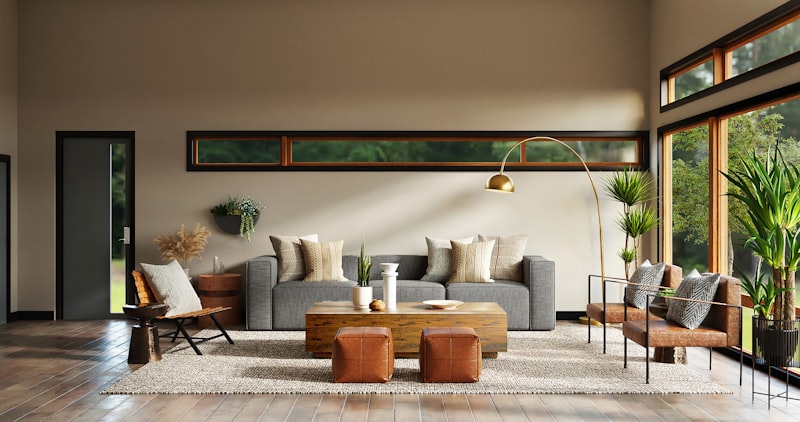
Creating a sanctuary within your home is about more than just aesthetics; it’s about building a space where you and your loved ones feel safe, secure, and at peace. In today’s world, thoughtful home safety and security design have become essential components of interior planning. Integrating safety measures seamlessly into your home’s design ensures protection without compromising style or comfort. With over 15 years of experience, AKT Designs Pvt Ltd understands how to blend security features into your interiors, creating spaces that are both beautiful and safe.
Why Home Safety and Security Design Matters
Home is the place where you seek comfort and refuge, but it’s also vulnerable to various risks — from accidents within the home to potential break-ins. Designing safety and security into your living space helps:
- Prevent accidents and injuries
- Deter burglars and unauthorized access
- Protect your family and valuables
- Provide peace of mind
Incorporating these elements early in the design phase allows for smarter choices that enhance security while maintaining a polished, inviting ambiance.
Key Elements of Home Safety and Security Design
1. Secure and Stylish Entryways
Your front door and entry points are the first line of defense, but they also contribute immensely to your home’s curb appeal.
- Choose robust materials: Solid wood, metal, or reinforced fiberglass doors offer strength against forced entry.
- High-quality locks and hardware: Opt for deadbolts and smart locks that enhance security without clashing with your design aesthetic.
- Peepholes or smart doorbells: These enable you to see visitors before opening the door.
- Adequate lighting: Well-lit doorways discourage intruders and help family members enter safely at night.
2. Optimal Lighting Design
Lighting is a powerful security tool that often doubles as a design feature.
- Motion-activated outdoor lighting: Automatically illuminates pathways and entry points, deterring trespassers.
- Layered indoor lighting: Use a combination of ambient, task, and accent lighting to avoid dark corners where accidents or intruders could hide.
- Smart lighting controls: Automated systems adjust lighting based on your routine, giving the impression someone is home even when you’re away.
3. Safe Interior Layouts
The interior layout influences not only comfort but also safety, especially for homes with children or elderly residents.
- Uncluttered pathways: Ensure hallways and staircases are free of obstacles to prevent trips and falls.
- Non-slip flooring: Use materials like textured tiles or treated hardwood that reduce slip hazards.
- Rounded edges on furniture: Minimizes injury risks in tight spaces.
- Visible sightlines: Design open spaces where you can easily monitor activity, enhancing security and communication.
4. Smart Security Systems Integration
Modern security systems are becoming increasingly user-friendly and visually unobtrusive.
- Surveillance cameras: Discreetly placed cameras can be integrated into design features such as light fixtures or décor elements.
- Alarm systems: Ensure they blend with the interiors rather than standing out.
- Home automation: Systems that control locks, windows, cameras, and lights from a smartphone provide centralized control and quick responses.
- Fire and carbon monoxide detectors: Choose stylish units that match your décor while prioritizing safety.
5. Window Treatments for Privacy and Protection
Windows offer natural light and views but can also be entry points for intruders.
- Reinforced glass or laminated windows: Provide added strength without sacrificing clarity.
- Secure locks: Ensure every window locks securely with childproof options where needed.
- Window films and blinds: Offer privacy and glare reduction while allowing sunlight.
- Exterior shutters or security grilles: Can be designed artistically to complement your home’s style.
Practical Tips for Implementing Safety in Interior Design
- Plan for emergencies: Designate accessible routes for quick exits.
- Create a safe play space: For families with children, a dedicated area with cushioned flooring and rounded furniture reduces injury risk.
- Use fire-resistant materials: Incorporate fire-retardant fabrics, wall coverings, and furniture.
- Maintain clear visibility: Avoid placing large furniture that blocks windows or sightlines.
- Regular maintenance: Routinely check locks, alarms, lighting, and structural integrity to ensure ongoing security.
Balancing Safety with Style: A Harmonious Approach
At AKT Designs, our expertise lies in blending functionality with elegance. Safety and security features don’t have to be bulky or unattractive. By carefully selecting materials, colors, and technology, you can create spaces that are both secure and visually appealing. For example, a sturdy front door painted a bold color can be a statement piece and a deterrent. Hidden security cameras integrated into lighting fixtures maintain a clean ceiling line. Even smart home systems can be controlled through elegant wall panels or mobile apps, preserving the integrity of your design.
Conclusion
Incorporating home safety and security into your interior design is an investment that pays off in peace of mind and well-being. Thoughtful planning and expert integration mean that secure homes don’t need to look like fortresses; they can be beautiful, welcoming, and safe havens for your family. Whether you’re renovating or building new, consider these design principles to enhance your home's protection without sacrificing style.
For tailored safety and security design solutions that harmonize with your unique taste and lifestyle, trust the expertise of AKT Designs Pvt Ltd — where protection meets perfection.
Ready to transform your home into a stylish, secure sanctuary? Contact AKT Designs today to discuss how we can integrate safety seamlessly into your interior design plans.
AKT Designs Team
Expert interior designers with 15+ years of experience in creating stunning residential and commercial spaces across India.
Contact us for a consultation